
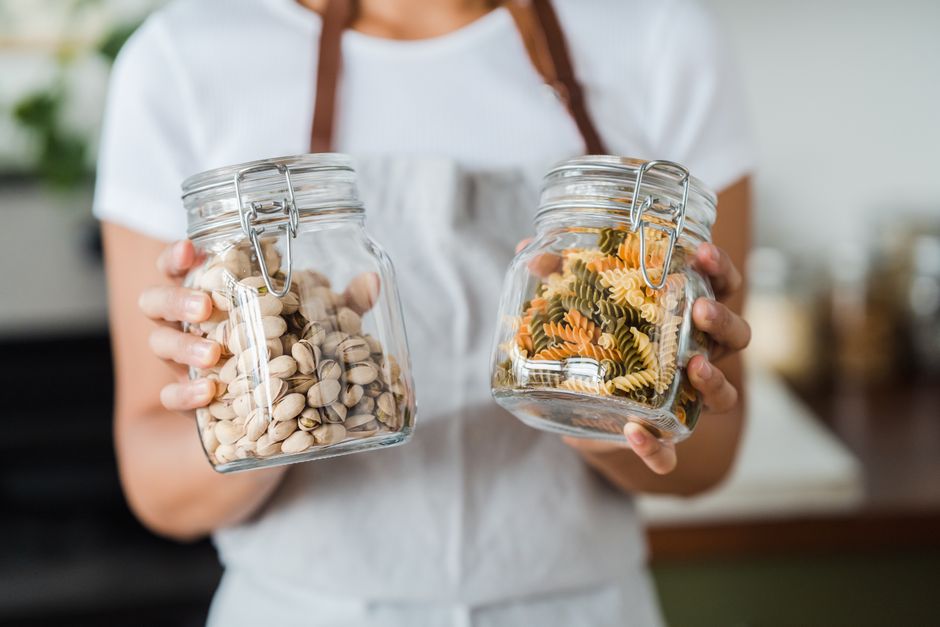
1. Start With Zones, Not Matching Containers
My strongest recommendation: organize the pantry around family routines before buying a single bin. A neat row of matching containers fails when cereal sits far from the breakfast bowls, lunch snacks hide behind baking supplies, or children need help reaching everything they eat. A useful pantry reduces decisions and walking. It should show what belongs together, what needs refilling, and what children can reach safely.
Make breakfast its own zone
Place cereal, oats, pancake mix, nut butter, coffee, tea, and shelf-stable milk on one shelf or in one cabinet section. Put the most-used foods between waist and eye level. Keep bowls, lunch boxes, or measuring cups nearby if the layout allows it. The goal is a complete morning station, not a perfect display. If two adults and children use the pantry before school, this zone should be visible at a glance.
Create a grab-and-go shelf
Reserve one lower shelf for snacks and lunch items that do not need permission or preparation. Group granola bars, fruit cups, crackers, drink boxes, and sealed nuts in broad categories. Leave taller foods at the back and smaller packets at the front. A shallow shelf works better than a deep drawer because children can see the choices without emptying the whole area.
Use the same idea for dinner staples: pasta and rice together, canned tomatoes beside them, and sauces on a nearby turntable. The best zone is the one that matches how your family cooks, not the one shown in a showroom.
2. Match Containers to the Food You Store
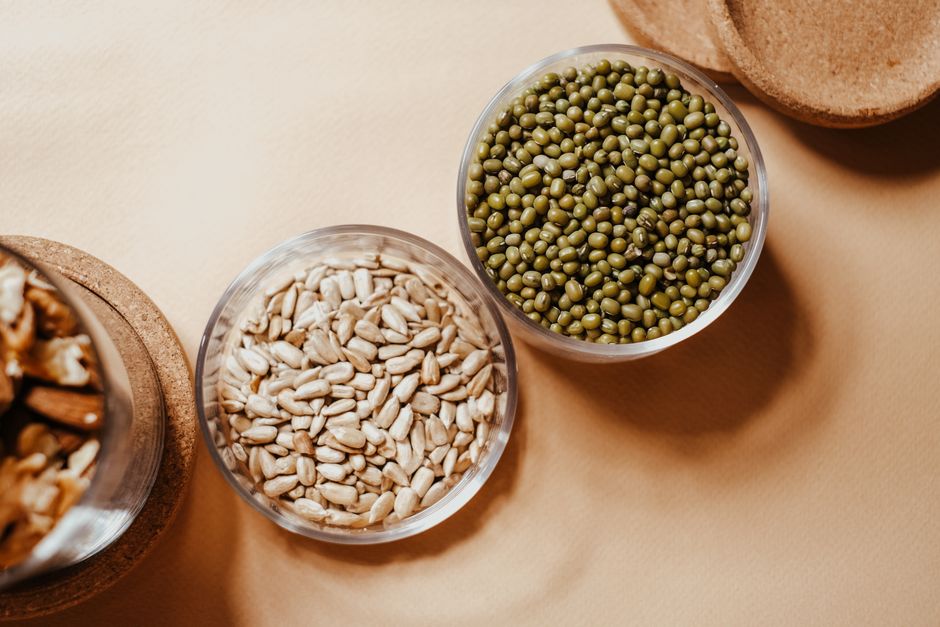
Uniform containers look attractive, but food type should decide the storage tool. Dry cereal needs a wide opening, cans need a stable rack, and small packets need a shallow bin. Buying one container style for every item wastes space and makes refilling harder.
Use clear containers for foods that disappear quickly
The OXO Good Grips POP Container 4.4-quart model holds roughly one standard box of cereal and costs about $19 at typical retail pricing. Its 6.5-inch width suits a shelf with limited depth, and the large opening makes it easy to pour without spilling. For flour, sugar, or baking powder, choose a container with a removable lid that your measuring cup can fit inside.
| Food | Best storage format | Useful example | Typical price |
|---|---|---|---|
| Cereal and oats | Wide airtight container | OXO Good Grips POP 4.4 qt | About $19 |
| Snack packets | Open-front plastic bin | mDesign 12 x 8 x 4 inch bin | About $14 |
| Cans and jars | Two-tier shelf riser | IKEA VARIERA 12 5/8 x 9 7/8 x 6 1/4 inches | About $11 |
| Oils and sauces | Turntable with a raised edge | YouCopia Crazy Susan 9-inch turntable | About $20 |
| Back-of-shelf supplies | Sliding organizer | YouCopia RollOut 2.0, about 10 x 15 x 6 inches | About $30 |
Leave original packaging for awkward foods
Do not decant every item. Tinned food, boxed pasta, and products with cooking instructions often work better in their original packaging. The clear winner for a family pantry is a mixed setup: airtight containers for messy or frequently used dry goods, open bins for packets, and no container at all when the package already stacks well.
3. How Should You Label a Family Pantry?
Verdict: labels should tell people what to do, not simply make shelves look tidy. A label such as snacks is helpful, but snack refills is better on a back-stock bin, while school snacks tells children where to return an opened box. Use plain words that a child can read quickly.
Should labels go on lids or fronts?
Put labels on the front of bins and at eye level on containers. Lid labels force people to lift or open several boxes before finding the right item. For containers that may move between shelves, place a second small label on the lid. The Brother P-touch PT-D210, usually around $35, prints durable laminated tape and is a practical choice for households that change categories often. Use 12-millimeter black-on-white tape for the clearest result.
What should a refill label say?
Give back-stock containers action words: refill cereal, lunch extras, baking supplies, or party napkins. Add a small date label to foods with short shelf lives, but do not create a complicated inventory chart that nobody will maintain. A dry-erase marker on a small pantry board can track low staples such as rice, pasta, tortillas, and cooking oil.
Set one family rule: the person who opens the last package places the empty box in a visible refill spot. This catches shortages before dinner and keeps the pantry from relying on one person’s memory. Labels work because they transfer small decisions from the busiest adult to the whole household.
4. Make the Weekly Reset Take 10 Minutes
What belongs in a weekly reset?
The best maintenance plan is short enough to happen on a busy evening: remove empty packets, return misplaced items to their zones, pull older food forward, wipe one shelf if crumbs have collected, and write down only the staples that need replacing; do not turn the reset into a full pantry cleanout every weekend.
When should you stop reorganizing?
Stop when every common item has one obvious home and the people who use the pantry can reach it without asking for help, because moving containers repeatedly creates more work than it removes; a family pantry needs a repeatable routine, not a fresh layout every month.
Use a ten-minute timer and assign children the safe jobs, such as returning snack packets or grouping unopened boxes, while an adult handles glass jars, step stools, and expired food; this makes the system shared instead of dependent on a single organizer.
The weekly reset should end with a clear shopping list and an open walkway, since those two results prevent the most common breakdowns: buying duplicates and hiding food behind clutter.
5. Buy Tools for the Pantry Bottleneck
Do not fill the whole pantry with organizers at once. Buy one tool for the space that causes the most friction, then watch how the family uses it for a week. These are the strongest picks for common problems.
For deep shelves and lost supplies
- Best sliding option: YouCopia RollOut 2.0, about $30, for roughly 10 x 15 x 6-inch shelf spaces. It brings cans, sauces, and baking supplies forward without forcing you to reach into a dark corner.
- Best low-cost riser: IKEA VARIERA shelf insert, about $11, for cans and short jars. It creates a second level but cannot hold very heavy appliances.
- Best turntable: YouCopia Crazy Susan 9-inch, about $20, for oils, vinegars, and condiments. The raised edge matters because smooth bottles slide when a plain tray spins.
For children and fast-moving snacks
- Best open bin: mDesign 12 x 8 x 4-inch plastic organizer, about $14, for individually wrapped snacks. The open top lets children see the options and helps adults spot low stock.
- Best cereal container: OXO Good Grips POP 4.4-quart container, about $19, when cereal spills or boxes collapse. Skip it if your family finishes cereal directly from the original box.
- Best label maker: Brother P-touch PT-D210, about $35, for clear category labels that survive regular handling. A marker and masking tape are the better choice for renters or temporary layouts.
For a busy family, the best first purchase is the tool that removes one repeated annoyance. A sliding bin wins for deep shelves; an open bin wins for snacks; a label maker wins only after the categories have stayed stable for several weeks.
6. Avoid the Mistakes That Break Pantry Systems
Do not decant food just because it looks better
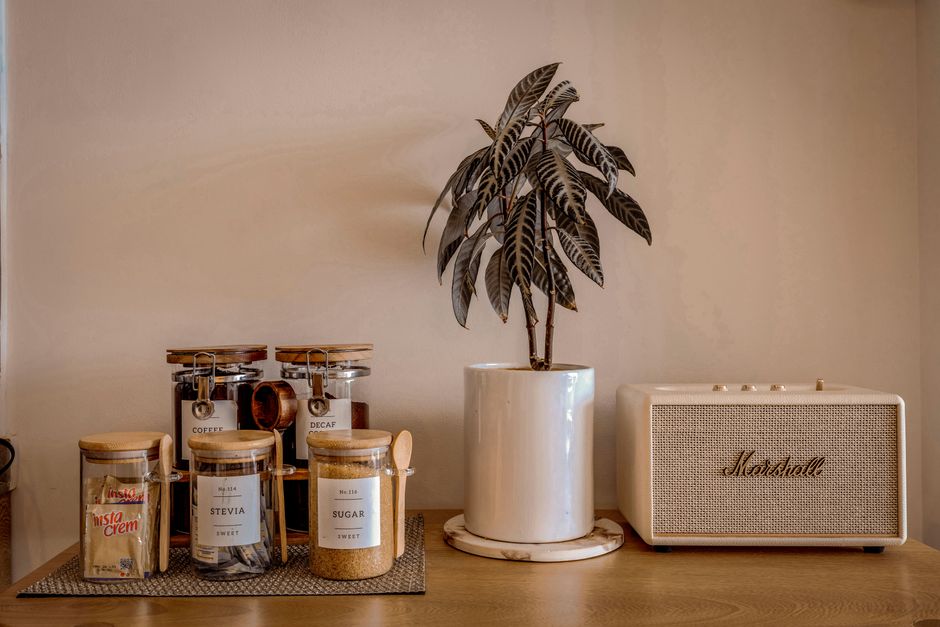
Transferring food into containers can reduce spills, but it also removes cooking directions, allergy warnings, lot numbers, and expiration information. Keep the original label nearby or cut the key information from the package and place it inside the container. Never combine a new bag with old food until the old supply is empty and the container is clean. This matters most for flour, cereal, rice, and pet treats, where crumbs or moisture can hide at the bottom.
Do not buy storage for food you should not stock
Large bulk bins are a poor choice for small households, families with changing diets, and anyone who regularly forgets what sits at the back of the pantry. A 10-pound bag of rice may cost less per serving but needs a dry, pest-resistant home and regular use. Buy smaller packages when waste, stale food, or limited shelf space costs more than the bulk discount.
Another common mistake is placing heavy cans above shoulder height. Store them low, keep daily snacks between knee and chest level, and reserve the highest shelf for lightweight back-stock. Avoid narrow containers that waste gaps beside shelves, and avoid bins without handles when they will be pulled out often.
The final verdict is simple: buy fewer organizers, protect access, and let real family habits decide what stays. The single most important pantry rule is to give every frequently used food one visible home that everyone can reach and return.

