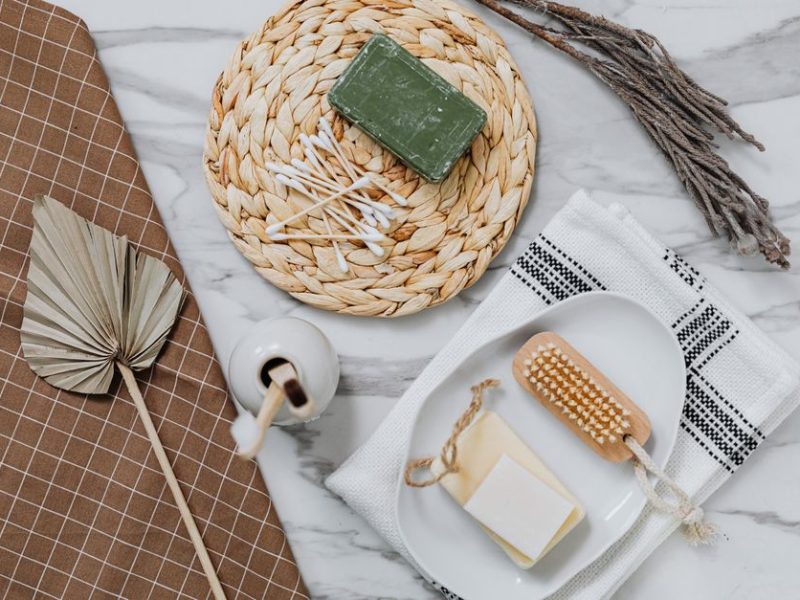
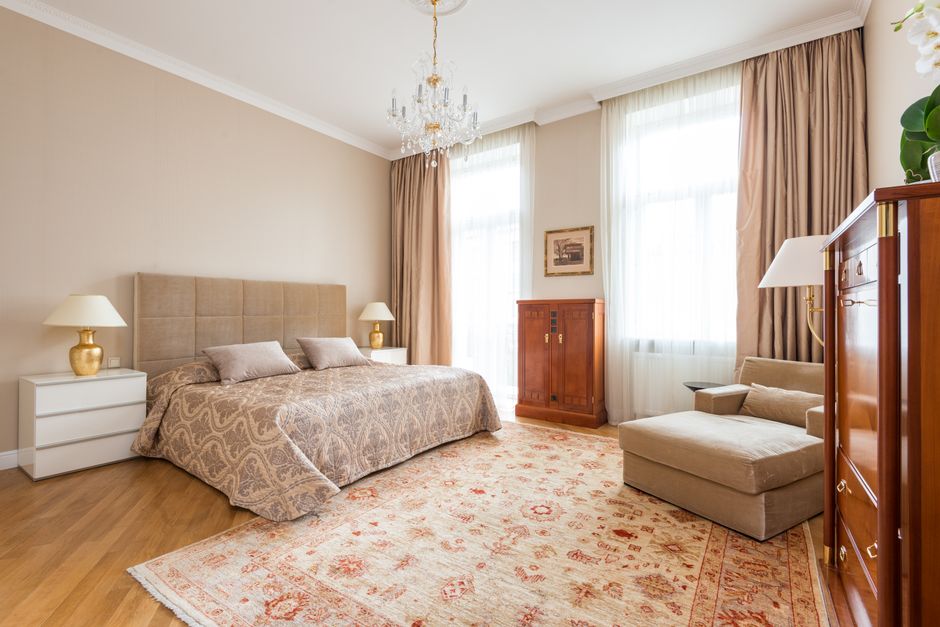
A coastal guest bedroom should feel fresh, quiet, and easy to use rather than themed like a souvenir shop. With about $1,200, you can create a comfortable room through good bedding, controlled color, layered lighting, and a few practical details that make visitors feel settled.
What Makes a Guest Bedroom Feel Coastal?
Start with the feeling, not the decorations
Coastal style works because it borrows the visual logic of the shoreline: pale surfaces reflect light, natural textures add warmth, and blue-green accents suggest water without taking over the room. The underlying goal is simple. A guest should walk in and feel that the room is cooler, calmer, and less crowded than the rest of the house.
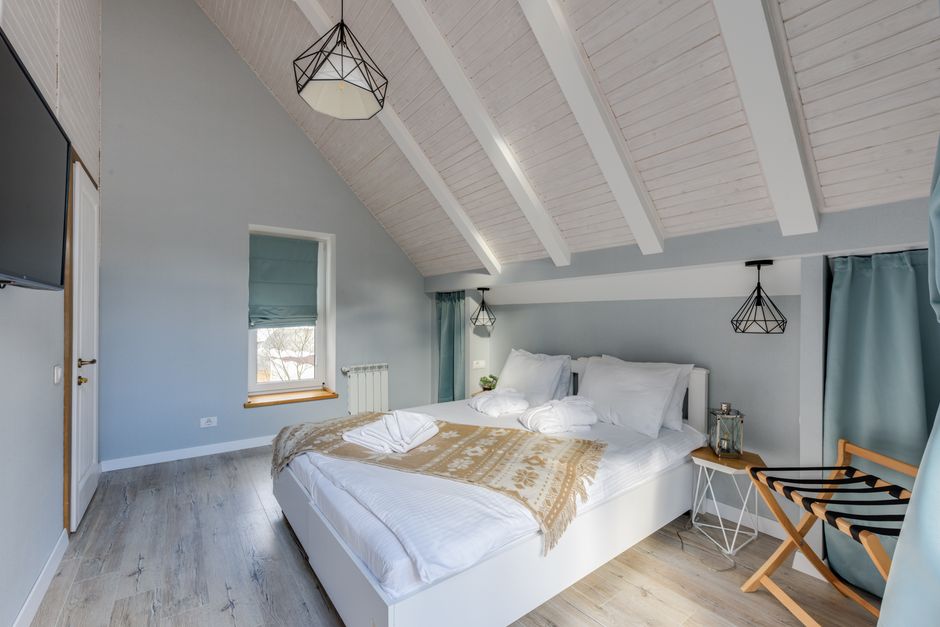
That effect comes from contrast. Pair warm white walls with light oak, woven fibers, and one restrained blue accent. Avoid matching every item. A room full of identical blue stripes feels planned in the wrong way. A white duvet, a textured throw, a cane basket, and a single framed landscape create more depth with fewer purchases.
Design around guest comfort
The bed remains the visual anchor, but comfort determines whether the room succeeds. Leave at least 24 inches of walking space along the main side of the bed and 30 inches near the foot when the room allows it. Place a working lamp within reach, provide a surface for glasses and a phone, and leave one drawer or shelf empty. These details matter more than a shell-shaped ornament.
Use breathable cotton or cotton-blend bedding, medium-weight layers, and curtains that soften daylight without making the room dark. The strongest coastal scheme is therefore not a collection of ocean symbols. It is a practical bedroom with enough light, texture, and breathing room to feel connected to the coast.
How to Split a $1,200 Coastal Bedroom Budget
Spend most of the budget on sleep and light. Guests notice a lumpy pillow, a harsh ceiling fixture, or a mattress pushed against the wall before they notice the artwork. Paint and styling pieces matter, but they should support the room instead of consuming the budget.
| Room element | Target budget | What that covers |
|---|---|---|
| Mattress protection and bedding | $300 | Mattress pad, sheets, duvet or quilt, two sleeping pillows, and two decorative covers |
| Bedside function | $190 | One nightstand, one reading lamp, bulb, charging access, and a small tray |
| Paint and preparation | $180 | Primer where needed, one gallon of quality wall paint, rollers, tape, and patching compound |
| Window treatment | $160 | Light-filtering curtains, rod, and basic mounting hardware |
| Rug and floor comfort | $170 | Small washable rug or runner with a non-slip pad |
| Art, storage, and texture | $140 | Two framed prints, a basket, a mirror, and one natural-texture accent |
| Contingency | $60 | Replacement hardware, delivery, or a missed paint-supply item |
| Total | $1,200 | A complete mid-range refresh without custom furniture |
This allocation favors pieces that improve the room every night. If the room already has a sound bed and usable curtains, move that money into better sheets, a rug pad, and a small dresser. If the mattress is more than eight to ten years old or visibly sagging, postpone decorative upgrades and replace it first. A coastal palette cannot disguise poor sleep.
The Best Coastal Palette Is Quiet, Not Nautical
Use warm white, sand, and one muted blue-green; skip the navy-and-red seaside formula. Warm white keeps the room bright without the cold glare that stark white can create, sand-colored wood and textiles stop the scheme from feeling sterile, and a desaturated blue such as sea glass, slate, or dusty aqua adds the coastal note without becoming a theme. Keep the ratio close to 60 percent pale neutral surfaces, 30 percent warm natural texture, and 10 percent blue-green accents, then repeat the accent only two or three times so the eye has somewhere to rest. Choose matte finishes over glossy ones, linen-look fabric over shiny polyester, and one large piece of artwork over a gallery wall of tiny anchors, shells, and boats; this makes the room feel more like a relaxed rental near the water and less like a children’s playroom. For walls, a soft greige or warm white is the clear winner because it works with both daylight and warm bedside bulbs, while pale blue on every wall can turn gray at night and make the room feel colder than intended. The final test is practical: view paint samples in morning, afternoon, and lamp light before buying the gallon.
Which Mid-Range Pieces Earn Their Place?
Named products help anchor a budget, but prices change by store and location. The figures below are recent U.S. listings and should be treated as planning numbers, not guarantees. My strongest low-risk combination is a simple bed, one useful nightstand, an adjustable reading lamp, and a washable textile layer.
Should the nightstand be attractive or practical?
Choose the IKEA HEMNES Nightstand if you want a solid pine piece with a drawer, an 18 1/8-by-13 3/4-inch footprint, and a listed price of $129.99. It is the best choice for a guest room that needs hidden storage for chargers, medication, or reading glasses. For a tighter budget, the IKEA VIHALS Nightstand costs $39.99 and measures 14 5/8 by 14 5/8 inches, but its open simplicity offers less concealment. Pick HEMNES for function; pick VIHALS only when floor space and price matter more.
Which lamp suits a coastal bedroom?
The IKEA RANARP Work Lamp is my pick at $59.99 because its adjustable arm directs light onto a book instead of across the whole room. It uses an E26 bulb, and IKEA lists the SOLHETTA 800-lumen LED bulb at $4.99 for a two-pack. Choose a warm bulb around 2700K. A bright daylight bulb will erase the soft evening mood.
Is a coastal bedspread worth buying?
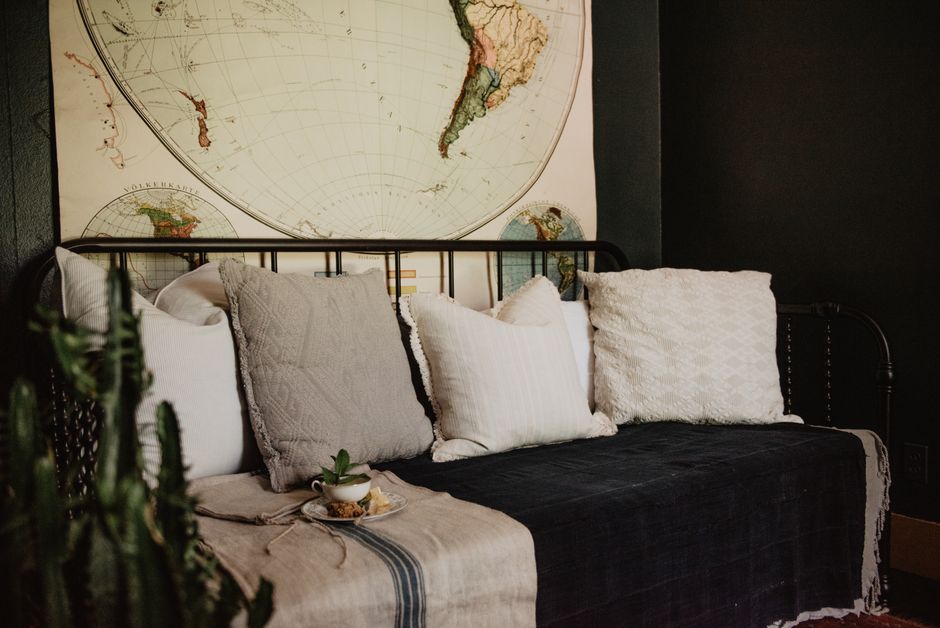
Yes, if it adds texture without forcing a print. The IKEA VETEJORDFLY Bedspread is listed at $29.99 for Full/Queen and uses a white-and-beige palette that works over plain bedding. It is the best budget layer here because it protects the duvet during the day and gives the bed a finished look without a large pattern.
What Usually Ruins the Coastal Look?
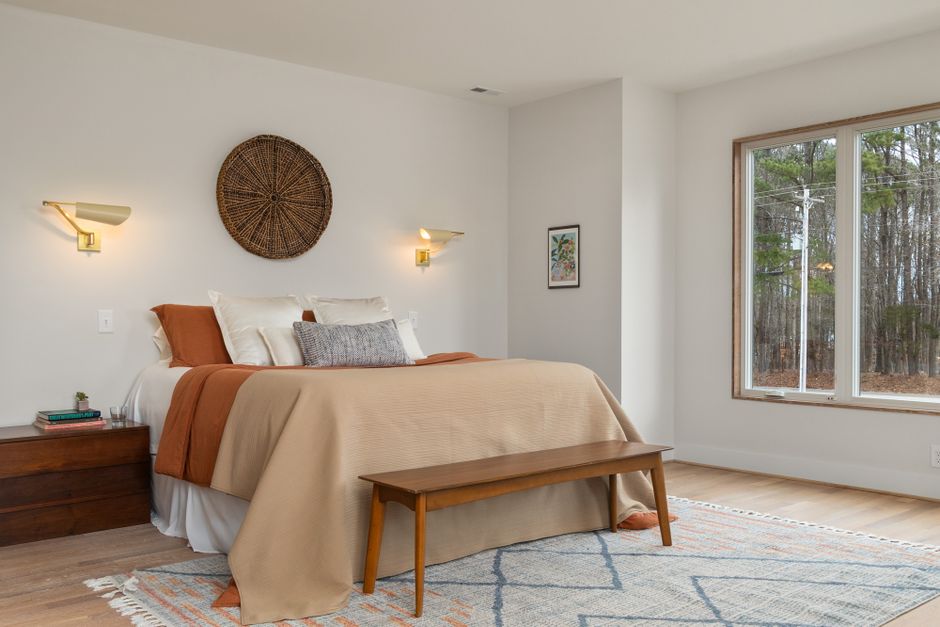
The winning strategy is restraint. Most coastal guest bedrooms fail because the owner buys recognizable beach objects before solving scale, comfort, and storage.
- Too much blue: Blue walls, blue bedding, blue curtains, and blue art flatten the room. Keep the strongest blue on one textile or one piece of art, then let warm neutrals carry the rest.
- Furniture pushed too close together: A bed wedged between two walls may save space, but it makes changing sheets difficult and gives guests no comfortable exit. Center the bed on the longest usable wall when possible.
- Decorative lighting only: A woven pendant may look right but cannot replace a reachable reading lamp. Use ambient light from the ceiling and task light at the bedside.
- Cheap synthetic bedding: Low-cost sheets that trap heat make the room feel less luxurious than its styling suggests. Buy fewer decorative items and put the savings into cotton sheets and a washable mattress protector.
- Ignoring storage: Empty hooks, a clear drawer, and a basket for shoes make a bigger impression than extra artwork. Guests should not have to live out of a suitcase on the floor.
Finish by making the bed, testing the lamp from the pillow, opening the curtains, and walking through the room with a small suitcase. If the route is clear and the palette feels calm in both daylight and evening light, the spare room has reached the right destination: a comfortable coastal retreat built for real guests, not a staged beach display.