Washing machines are foundational home appliances. Choosing the right model affects your daily routine, energy consumption, and how long your clothes last. This guide cuts through the noise to identify the best washing machine models available in 2026, comparing their features, performance, and overall value.
Front-Load vs. Top-Load: Which Is Right For You?
The first decision for many buyers is between a front-load and a top-load machine. Each design offers distinct advantages and disadvantages. Front-loaders typically deliver a more thorough clean using less water, thanks to their tumbling action. Top-loaders, especially those with an agitator, can complete cycles faster and often cost less upfront.
Understanding your laundry habits and space constraints is key. If water efficiency and superior cleaning are priorities, a front-loader often makes sense. For speed, simpler operation, and the ability to add items mid-cycle without pausing, a top-loader might be a better fit. Consider the physical demands as well: front-loaders require bending, while top-loaders are easier to load for those with back issues.
Understanding Load Type Differences
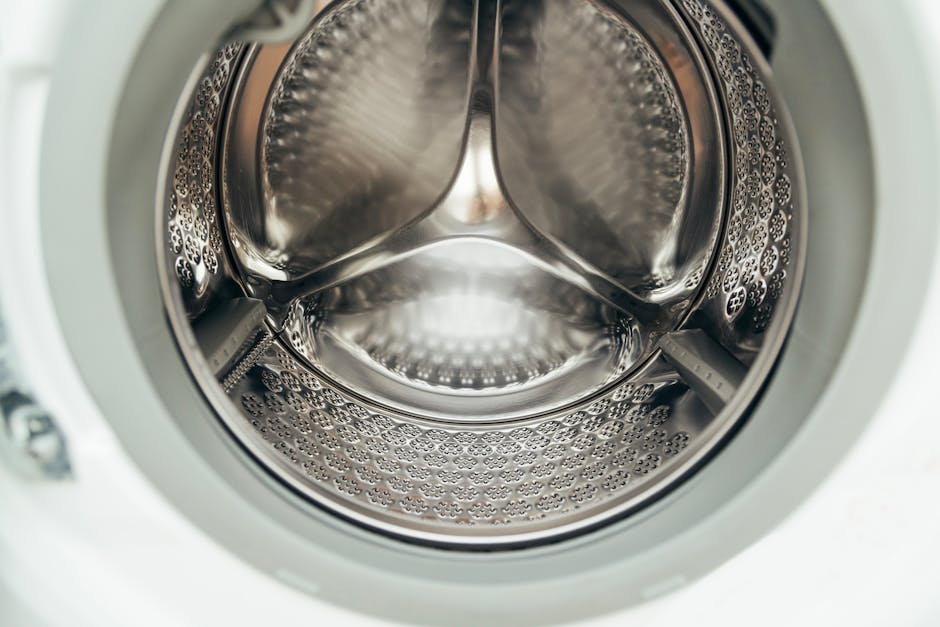
Front-load washers use a horizontal drum that tumbles clothes through a small pool of water. This action mimics hand-washing, providing a gentle yet effective clean. They achieve high spin speeds, extracting more water and reducing drying time. However, front-loaders are prone to mold and mildew buildup if not properly maintained, requiring periodic cleaning of the gasket and detergent dispenser.
Top-load washers come in two main types: agitator and impeller. Agitator models feature a central post that twists and turns, rubbing clothes against each other to remove dirt. Impeller models use a low-profile cone or disc that spins to create turbulent water currents, cleaning clothes without a central agitator. Impeller models offer more capacity but can be less aggressive on tough stains than agitators.
Installation and Space Considerations
Front-load machines often require more depth due to their outward-swinging doors. They can be stacked with a matching dryer, making them ideal for tight vertical spaces. Top-loaders need clear overhead space to open the lid. Their footprint is generally consistent with older models, simplifying replacement in existing laundry nooks. Noise and vibration are also factors. Front-loaders, especially during high-speed spins, can cause more noticeable vibration, requiring a sturdy floor and proper leveling. Top-loaders tend to be quieter and vibrate less overall.
| Feature | Front-Load Washer | Top-Load Washer (Agitator/Impeller) |
|---|---|---|
| Cleaning Performance | Generally superior, gentler | Good, faster cycles; agitators can be tougher on clothes |
| Water Efficiency | Excellent; uses less water | Moderate; uses more water per cycle |
| Energy Efficiency | Better; higher spin speeds reduce dryer time | Good; can be less efficient if dryer runs longer |
| Capacity | Often larger cubic feet for footprint | Good; impeller models offer more usable space |
| Loading/Unloading | Requires bending; stackable option | Easier on back; lid opens upwards |
| Cycle Speed | Longer wash cycles | Shorter wash cycles |
| Mold/Mildew Risk | Higher if not maintained (gasket) | Lower |
| Price Range | Higher initial cost | Generally lower initial cost |
Best Front-Load Washing Machines for 2026
Front-load washers dominate the market for their efficiency and cleaning prowess. When selecting a front-loader, capacity, spin speed, and specialized wash cycles are critical. The models listed here represent the pinnacle of current front-load technology, balancing performance with smart features and durability. We prioritize machines that offer consistent cleaning, energy efficiency, and reliable long-term operation. Expect strong stain removal and gentle fabric care across these top picks.
LG WM6700HBA: Our Top Pick for Families
The LG WM6700HBA stands out as the best overall front-load washer for 2026. It features a generous 5.0 cubic feet capacity, making it suitable for large families or bulky items like bedding. Its TurboWash 360 technology uses five powerful jets to penetrate fabrics from multiple angles, cutting wash times by up to 30 minutes without sacrificing cleaning quality. The WM6700HBA operates quietly, thanks to LG’s anti-vibration system, typically registering around 45 dB during a wash cycle and peaking around 60 dB during its 1300 RPM spin. This model is Energy Star certified, boasting an Integrated Modified Energy Factor (IMEF) of 3.1 and an Integrated Water Factor (IWF) of 2.9, ensuring low utility bills. Expect to pay around $1,250 for this powerhouse.
Samsung WF50A8600AV: A Smart and Stylish Option
For those prioritizing smart features and sleek design, the Samsung WF50A8600AV is an excellent choice. This 5.0 cubic feet model includes Samsung’s AI-Powered Smart Dial, which learns your wash preferences and recommends optimal cycles. It also offers Super Speed Wash, completing a full load in just 28 minutes. The WF50A8600AV features steam cleaning options for deep sanitization and stain removal. Its Vibration Reduction Technology+ helps keep noise levels down, averaging 48 dB during normal operation and around 62 dB during its 1200 RPM spin. Dimensions are standard at 27" W x 38.7" H x 31.3" D. This Samsung model carries an Energy Star Most Efficient rating for 2026, with an IMEF of 3.0 and IWF of 3.0. It generally retails for approximately $1,150, offering a premium experience at a competitive price point.
Electrolux ELFW7637AT: Gentle on Delicates
The Electrolux ELFW7637AT is our top recommendation for anyone needing exceptional fabric care, especially for delicates and specialty items. With a 4.5 cubic feet capacity, it’s slightly smaller but excels in gentle cleaning. Its Adaptive Dispenser handles all detergent types, including PODs, ensuring optimal dissolution. The LuxCare Wash System offers improved wash actions, temperature control, and smart load sensing. This machine includes a Perfect Steam option that rises from the bottom, lifting dirt and stains more effectively. It features a high 1300 RPM spin speed, resulting in drier clothes and shorter drying times. Noise levels are impressively low, with an average of 46 dB. The ELFW7637AT also holds an Energy Star certification, typically priced around $1,000, making it a strong value for its specialized features.
Top-Load Agitator Models Still Have Their Place
Despite the rise of front-loaders and impeller top-loaders, traditional top-load agitator machines remain highly relevant. They offer unparalleled durability, faster cycle times, and a robust cleaning action that some users prefer, especially for heavily soiled items. These machines are often simpler in design, meaning fewer complex electronics and a longer lifespan. The initial cost is typically lower, and maintenance can be less demanding than with front-loaders. For those who value straightforward operation and rugged performance, an agitator model is a smart investment. They might use more water than their front-load counterparts, but their efficiency in terms of cycle completion time is a significant advantage for busy households.
Speed Queen TC5003WN: The Durability Champion
When it comes to sheer durability and commercial-grade performance, the Speed Queen TC5003WN is unmatched. This 3.2 cubic feet agitator model is built to last 25 years, utilizing heavy-duty components and a classic wash action. It’s a no-frills machine focused purely on powerful, reliable cleaning. The TC5003WN boasts a 710 RPM spin speed, which is lower than front-loaders but sufficient for a top-loader. Noise levels are moderate, around 60 dB during operation. While it lacks smart features and advanced cycles, its simplicity is part of its appeal. This machine is known for its ability to handle tough stains and large loads without faltering. Expect to invest around $1,300, a higher price for a top-loader, but justified by its legendary lifespan and minimal repair needs. Its “Classic Clean” wash system provides a full tub wash and rinse, ensuring clothes are thoroughly saturated and cleaned.
Whirlpool WTW5015GW: A Reliable Agitator Choice
For a more budget-friendly yet dependable agitator option, the Whirlpool WTW5015GW is a strong contender. This 3.8 cubic feet capacity washer provides a powerful clean with its Dual-Action Agitator, tackling everyday dirt and grime effectively. It offers 12 wash cycles and multiple water level selections, giving users flexibility. The WTW5015GW features a smooth, porcelain tub that helps protect fabrics. Its 700 RPM spin speed ensures reasonable water extraction. This model prioritizes ease of use and consistent performance over advanced features. Noise levels are comparable to other agitator models, typically in the 60-65 dB range. With an approximate price of $800, the Whirlpool WTW5015GW delivers solid performance and reliability, making it a practical choice for many homes seeking a traditional washing experience. It’s also backed by Whirlpool’s strong reputation for appliance longevity.
Understanding Smart Features and Connectivity
Modern washing machines increasingly integrate smart technology, offering connectivity and enhanced control. These features move beyond basic washing to provide convenience, diagnostic insights, and even cost savings. While not essential for everyone, understanding these capabilities can help determine if the added investment is worthwhile for your household. Smart washers connect to your home Wi-Fi network, allowing remote interaction via smartphone apps. This can streamline laundry tasks and provide valuable information about your appliance’s performance and maintenance needs.
What Does ‘Smart’ Actually Mean for a Washer?
For a washing machine, “smart” typically means it has Wi-Fi connectivity. This allows it to communicate with a companion app on your smartphone or other smart home devices. Common smart features include remote start and stop, cycle selection, and notifications when a load is finished. Some models offer predictive maintenance, alerting you to potential issues before they become major problems. Energy monitoring is another common smart feature, helping you track and optimize your electricity and water usage. Advanced smart washers can also download new wash cycles, keeping your machine updated with the latest fabric care innovations.
Are Smart Features Worth the Extra Cost?
The value of smart features depends entirely on your lifestyle and priorities. For busy individuals or those who frequently multitask, the ability to start a load from work or receive a notification when clothes are ready can be a significant convenience. Remote diagnostics can save on service calls by identifying minor issues quickly. However, if you prefer a simpler, more hands-on approach to laundry, or if your machine is located in an area with poor Wi-Fi, the added cost of smart features might not be justified. Basic, non-smart models still perform the core function of cleaning clothes exceptionally well. The price difference between smart and non-smart versions of similar capacity can range from $100 to $300.
How Do Smart Diagnostics Work?
Smart diagnostics systems in washing machines use internal sensors to monitor various components and their performance. For example, they can track motor function, water inlet/outlet flow, and temperature sensors. If a sensor detects an anomaly, the system sends an alert to your smartphone app. This alert often includes a specific error code and sometimes even troubleshooting steps. Some advanced systems can transmit data directly to customer service for quicker, more accurate remote troubleshooting. This proactive approach can help prevent small issues from escalating into costly repairs, extending the lifespan of the appliance. It also reduces the need for a technician to physically inspect the machine for initial diagnosis.
Compact Washing Machines for Small Spaces
Living in an apartment or a smaller home doesn’t mean sacrificing the convenience of in-home laundry. Compact washing machines deliver effective cleaning in a space-saving design. These models are ideal for tight closets, bathrooms, or utility areas where full-sized units simply won’t fit. They often offer many of the same features as their larger counterparts, just scaled down.
For those living in urban environments or with limited square footage, a compact washer is a practical necessity. Our top picks provide reliable performance without occupying excessive space. Here are a few standout compact models for 2026, combining efficiency with a small footprint:
- GE GFW148SSMWW (2.4 cu. ft.): This compact front-load washer is a popular choice for apartments. It measures just 23.5" W x 33.2" H x 25.6" D and can be stacked. It features a stain removal guide and an internal water heater. Spin speeds reach 1400 RPM for excellent water extraction. Expect to pay around $900.
- Whirlpool WFW5090JW (2.3 cu. ft.): Another solid front-load compact, this Whirlpool model offers steam clean and a sanitizing cycle. Its dimensions are 24" W x 33.5" H x 26.5" D. It’s designed for efficiency and quiet operation, perfect for living spaces. Priced at approximately $850.
- Bosch WAT28400UC 300 Series (2.2 cu. ft.): Known for its exceptionally quiet operation (49 dB wash cycle), this Bosch model is perfect for open-concept living. It features SpeedPerfect technology for faster washes and an anti-vibration system. It measures 23.5" W x 33.2" H x 25.1" D. It typically retails for about $1,100.
Energy Efficiency and Water Savings Explained
Choosing an energy-efficient washing machine is not only good for the environment but also beneficial for your wallet. Modern washers are designed to use less electricity and water, contributing to significant long-term savings on utility bills. Understanding the metrics and technologies behind these savings helps you make an informed purchase. High-efficiency (HE) detergents play a crucial role in maximizing the performance of these machines, as they are formulated to create fewer suds and work effectively with less water.
- Decoding the Energy Star Label: The Energy Star certification program identifies products that meet strict energy efficiency guidelines set by the U.S. Environmental Protection Agency. For washing machines, this label indicates that the model uses significantly less energy and water than conventional machines. Look for the Energy Star Most Efficient designation for the top performers. This designation means the washer exceeds the minimum Energy Star requirements by a substantial margin, offering the greatest potential for savings. The label will also show the estimated annual energy consumption and operating cost, allowing for direct comparison between models.
- Understanding IMEF and IWF: These acronyms are key metrics for evaluating washer efficiency. IMEF (Integrated Modified Energy Factor) measures the energy consumed per cycle, taking into account the electricity used for washing, agitation, and the energy needed to dry the clothes after the wash. A higher IMEF indicates better energy efficiency. IWF (Integrated Water Factor) quantifies the amount of water used per cubic foot of capacity. A lower IWF means the machine uses less water, making it more water-efficient. For example, a typical Energy Star certified front-loader might have an IMEF of 2.2 and an IWF of 3.2 or lower.
- The Role of High-Efficiency Detergents: High-efficiency (HE) washing machines are specifically designed to operate with less water. Using traditional detergents in an HE machine can lead to oversudsing, which can damage the machine, leave residue on clothes, and trigger longer rinse cycles, negating water savings. HE detergents are low-sudsing and quick-dispersing, formulated to work optimally in low-water conditions. Always look for the ‘HE’ symbol on your detergent packaging when using an Energy Star certified washer. This ensures proper cleaning and protects your appliance.
Noise Levels and Vibration: What to Expect
A noisy or vibrating washing machine can be a major disturbance, especially in smaller homes or those with open floor plans. Manufacturers have made significant strides in reducing operational noise and vibration. Pay attention to decibel (dB) ratings and features designed to minimize movement. While no washing machine is entirely silent, some models perform significantly quieter than others.
Understanding Decibel Ratings
Washing machine noise is measured in decibels (dB). For reference, normal conversation is around 60 dB, and a library is about 40 dB. Modern washing machines typically operate in the 40-70 dB range. A wash cycle might be in the 45-55 dB range, while a high-speed spin cycle can temporarily reach 60-70 dB. Front-load washers with higher spin speeds (1200+ RPM) tend to be louder during the spin phase but extract more water. Look for models with specific noise reduction technologies, such as LG’s TrueBalance Anti-Vibration System or Samsung’s Vibration Reduction Technology+, for a quieter experience.
Minimizing Vibration in Your Laundry Space
Beyond the machine itself, proper installation is critical for reducing noise and vibration. Always ensure the washing machine is perfectly level on a sturdy floor. Uneven flooring or an unbalanced machine is the most common cause of excessive vibration and noise. Use anti-vibration pads or a dedicated pedestal designed for your model to further dampen movement. Avoid overloading the machine, as unbalanced loads can also lead to increased vibration during the spin cycle. Regular maintenance, such as checking for worn-out suspension components, can also help keep your machine running smoothly and quietly over time.
Comparison Summary
| Model | Type | Capacity (cu. ft.) | Approx. Price (2026) | Key Feature | Noise (dB) |
|---|---|---|---|---|---|
| LG WM6700HBA | Front-Load | 5.0 | $1,250 | TurboWash 360, Large Capacity | 45-60 |
| Samsung WF50A8600AV | Front-Load | 5.0 | $1,150 | Smart Dial, Super Speed Wash | 48-62 |
| Electrolux ELFW7637AT | Front-Load | 4.5 | $1,000 | LuxCare Wash System, Perfect Steam | 46-60 |
| Speed Queen TC5003WN | Top-Load Agitator | 3.2 | $1,300 | Commercial-Grade Durability | 60-65 |
| Whirlpool WTW5015GW | Top-Load Agitator | 3.8 | $800 | Dual-Action Agitator, Reliable | 60-65 |
| GE GFW148SSMWW | Compact Front-Load | 2.4 | $900 | Space-Saving, Stain Removal Guide | 50-68 |
| Bosch WAT28400UC 300 Series | Compact Front-Load | 2.2 | $1,100 | Exceptionally Quiet, SpeedPerfect | 49-65 |