
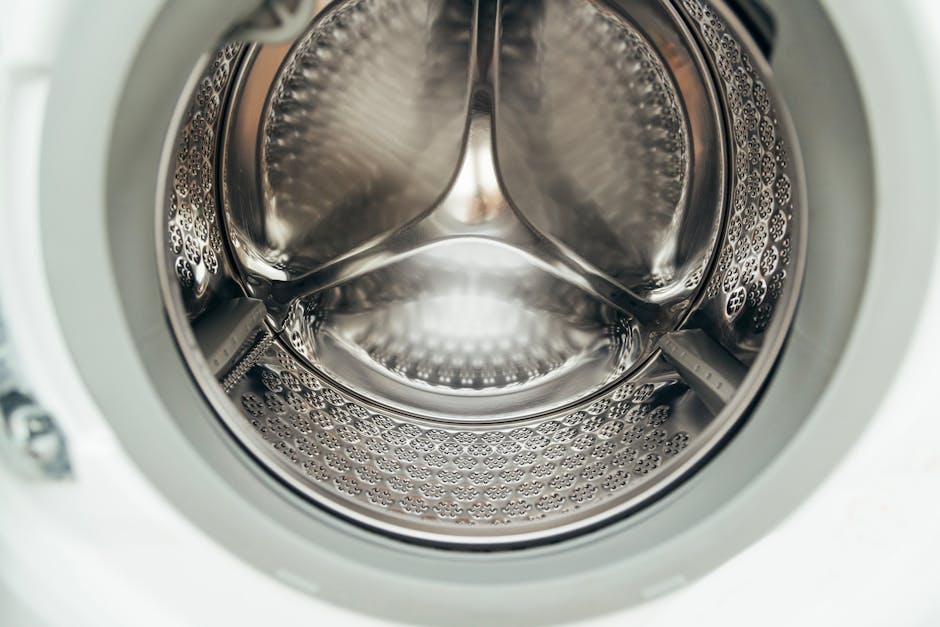
I am currently staring at a scar on my right thumb that I got in 2016 while trying to replace the tub seal on a Maytag Bravos XL. I bought that machine for $850 because the guy at Home Depot told me it was a ‘workhorse.’ It lasted four years and two months. When the bearings finally went, it sounded like a helicopter was trying to land in my kitchen every time it hit the spin cycle. I spent three days on my knees with a socket wrench and a YouTube video from a guy named ‘ApplianceRepairGuy77,’ only to end up with a flooded laundry room and a thumb that needed four stitches. I ended up junking the machine anyway.
That was the moment I realized that almost every washing machine brand you see in a big-box store is designed to be disposable. It’s a scam. We’re all being gaslit into thinking that having WiFi in your washer is a feature, when really it’s just another circuit board that’s going to fry the second your power flickers.
The $800 mistake I keep seeing people make
Most people buy a washing machine based on how it looks in the showroom. You see the shiny chrome, the 5.0 cubic foot drum that looks like it could wash a small cow, and the 24 different cycles for everything from ‘activewear’ to ‘hand-wash wool.’ It’s all nonsense. You use two cycles: Normal and Heavy Duty. Maybe Sanitize if the kid gets sick. That’s it.
The problem is that the big brands—I’m looking at you, Samsung and LG—are tech companies that happen to make boxes that hold water. They are obsessed with efficiency ratings and ‘smart’ features because that’s what sells to people who haven’t had to fix their own machines yet. But here is a specific data point for you: I’ve lived on the same suburban cul-de-sac for twelve years. There are 14 houses on this street. In the last 24 months, I have seen the ‘Appliance Pros’ van parked in 9 of those driveways. Every single time, it’s a failed control board or a pump on a machine that’s less than five years old.
The modern appliance industry is basically three raccoons in a trench coat trying to sell you a computer that happens to get wet.
Why I will never, ever buy a Samsung again

I know people love their LGs. They win the JD Power awards or whatever. Fine. But Samsung? Absolutely not. I have a personal, completely irrational, and deeply felt hatred for Samsung appliances. It’s not just the exploding top-loader thing from a few years ago. It’s the music. Why does the machine have to play a 30-second jaunty sea shanty every time the load is done? I don’t want a concert. I want clean socks.
What I mean is—actually, let me put it differently. It’s not just the music; it’s the fact that their parts are a nightmare to source. If your Samsung breaks in a mid-sized city, you’re waiting three weeks for a specific proprietary pump that has to be shipped from a warehouse in another time zone. I once waited 19 days for a door latch. Nineteen days of going to the laundromat with three kids. Never again.
Total garbage.
The Speed Queen cult is right (mostly)
If you want the best washing machine brand, and you actually care about it lasting fifteen years instead of five, there is only one answer: Speed Queen.
I used to think the people who obsessed over Speed Queen were weirdos. It’s a brand that looks like it belongs in a 1980s motel basement. There are no touchscreens. The knobs are actual knobs that click when you turn them. But then I bought the TC5 (the one with the actual agitator, not the high-efficiency one) and my life changed. Here is why:
- Steel everything: Most brands use plastic outer tubs. Speed Queen uses stainless steel.
- The Warranty: They usually come with a 3, 5, or 7-year parts and labor warranty. Most brands give you one year and then tell you to kick rocks.
- Repairability: You can take the front panel off with two screws. I’m not kidding. Two screws and you can see the entire gut of the machine.
- Speed: It finishes a load in 28 minutes. My old ‘High Efficiency’ front loader took 72 minutes to do the same amount of laundry.
I tracked my dry times after switching. Because the Speed Queen spin cycle is so violent (in a good way), my towels come out significantly drier. It knocked 12 minutes off my dryer time. Over 412 loads a year—which is what my household averaged last year—that is a massive amount of saved electricity.
The downside? It’s loud. It sounds like a machine doing work. If your laundry room is right next to your bedroom, you’re going to hear it. I don’t care. I’d rather hear the sound of a machine working than the silence of a dead Samsung.
The European option if you have the cash
Now, I might be wrong about this, but I think Miele is the only other brand worth talking about. They are the ‘luxury’ version of the Speed Queen philosophy. They test their machines for 10,000 hours of use. That’s like 20 years of laundry.
But honestly, I can’t fully recommend them to a normal person. They are small. If you have a king-sized comforter, you aren’t washing it in a Miele. And they have this ‘TwinDos’ system where you have to buy their specific, expensive detergent cartridges. It feels like the printer ink scam but for your pants. I hate being locked into an ecosystem. I want to buy whatever detergent is on sale at Costco, not wait for a shipment of specialized German soap. Anyway, if you live in a high-end condo and only wash silk shirts, get a Miele. For the rest of us living in the real world? It’s a pass.
The part nobody talks about
The secret to a long-lasting machine isn’t just the brand, though. It’s us. We use too much soap. I used to fill the cap to the line every single time. That’s how you kill a machine. The excess soap builds up as ‘scrub’ (a disgusting mix of soap scum and skin cells) and eats the bearings from the inside out.
I switched to using exactly two tablespoons of detergent per load. My clothes are just as clean, and the machine doesn’t smell like a swamp. I know people will disagree and say their clothes need more soap to get ‘clean,’ but they’re wrong. You’re just coating your clothes in a layer of chemicals that your machine can’t rinse out.
I’ve had my Speed Queen for four years now. No leaks. No repairs. No stitches in my thumb. It’s the most boring thing I own, and I love it for that. Every time I walk past the appliance aisle at the store and see those $1,500 machines with the built-in AI and the glass lids, I just laugh. They’re buying a headache. I bought a tool.
Will we ever go back to a world where things are built to be fixed? I honestly don’t know. Everything feels so temporary now. But for now, just buy the ugly metal box with the knobs.
Buy a Speed Queen TC5. Worth every penny.