
For years, my king-size mattress felt more like a battleground than a bedroom oasis. Waking up with a stiff back, constantly rolling into the crater my partner left, or just feeling perpetually hot despite the AC — it was a nightmare. I spent far too much time and money trying to find a bed that truly delivered on the promise of spacious, uninterrupted sleep.
After cycling through more mattresses than I care to admit, I’ve finally cracked the code on what makes a king-size bed truly great. Forget the marketing hype; I’m going to tell you what actually works and what’s a waste of your money.
Why a King Size Mattress Isn’t Just a Bigger Bed
Look, I get it. You want more space. A king-size bed, typically 76 inches wide by 80 inches long, certainly delivers on that. But the truth is, a bigger bed introduces its own set of challenges that most people don’t consider until they’re already sleeping on a lumpy, uncomfortable mess. I learned this the hard way.
It’s not just about adding a few inches; the dynamics change completely. The extra surface area means more room for motion transfer, potential sag, and varying support needs across a larger span. You can’t just upscale a twin-size design and expect it to work.
The Physics of Motion Transfer in Larger Beds
With a king, you’ve got two adults (or more, if you have kids or pets joining you) sharing a much larger surface. This magnifies motion transfer. On a smaller bed, a partner shifting might be a mild jiggle. On a king, especially with a poorly constructed mattress, it can feel like a small earthquake. I’ve had mattresses where my partner simply rolling over was enough to pull me out of a deep sleep. It’s infuriating.
The type of material plays a huge role here. Individual pocketed coils in a hybrid tend to isolate motion better than traditional innerspring or even some cheaper memory foam beds that act like one big trampoline. When you’re spending good money on a king, motion isolation should be a top priority, especially if you or your partner are light sleepers.
Edge Support: A King-Size Necessity
This is crucial, and it’s where many budget king mattresses fail. Good edge support isn’t just for sitting on the side of the bed to tie your shoes. It means the entire sleeping surface is usable. On beds with weak edges, you feel like you’re going to roll off if you get too close to the perimeter. This effectively shrinks your usable sleeping area, defeating the purpose of a king-size bed in the first place.
I learned to test this religiously during trial periods. If I felt a noticeable dip or lack of support when lying near the edge, that mattress was out. Stronger coils, foam encasements, or specific high-density foam layers around the perimeter are what you want. Don’t compromise here; it makes a huge difference in how you experience the extra space.
Room Dimensions and Your King
Before you even buy, seriously consider your bedroom. A king mattress is massive. It measures 76 inches wide by 80 inches long. You need at least two feet of clearance around the bed for comfortable movement. My first king bed felt great until I realized I could barely open my closet door or walk around the foot of the bed without squeezing past. Measure twice, buy once. It seems obvious, but it’s a mistake I see people make all the time, including my younger self.
My Honest Take on Mattress Types: Don’t Fall for the Gimmicks

Let me tell you, I’ve slept on every type of mattress out there, from rock-hard innerspring to marshmallow-soft memory foam. And I have some strong opinions. If you’re buying a king-size bed, you need to understand the nuances of each type, because what works for a twin often doesn’t scale well to a massive king.
Here’s my unfiltered advice: Don’t waste your money on cheap, all-foam mattresses if you run hot or need robust support. They often promise the world but deliver heat retention and sagging, especially in a king size where weight distribution is more spread out. I’ve been there, done that, and regretted it.
Why I Switched from Pure Memory Foam
My first king was a pure memory foam bed. I was sold on the pressure relief. For the first few months, it was okay. But then, the heat started to become an issue. I sleep hot, and king-size memory foam traps an incredible amount of body heat. It felt like I was sleeping in a warm hug, which sounds nice but quickly became suffocating. The deeper I sank, the hotter I got. Plus, that ‘stuck’ feeling when trying to change positions? On a king, it felt like wrestling an octopus in quicksand. It was a no-go for me.
The Hybrid Sweet Spot
This is where I found my true comfort. Hybrid mattresses, which combine pocketed coils with layers of foam (memory, latex, or polyfoam), offer the best of both worlds. You get the targeted support and breathability of springs along with the pressure relief of foam. For a king, this combination is a . The coils provide excellent airflow, keeping things cooler, and the individually wrapped coils drastically reduce motion transfer compared to old-school innersprings.
My current bed is a hybrid, and I can move without waking my partner, I don’t overheat, and the support is consistent from edge to edge. It’s what I recommend for most people looking for a balanced feel in a king.
Latex: A Niche but Worthwhile Pick
Natural latex mattresses are fantastic if you’re looking for something bouncy, durable, and naturally cooler than memory foam, with great pressure relief. However, they can be significantly more expensive. I’ve tried a few, and the feel is distinct – a responsive, buoyant support rather than the deep contouring of memory foam. If you have the budget and prefer a more natural material with excellent longevity, a latex hybrid (often the best option for kings) is definitely worth exploring. Just be prepared for the higher price tag; a good king latex mattress can easily run over $3,000.
The King-Size Mattress Showdown: My Top Picks
Alright, let’s get into the specifics. After years of testing and experiencing these beds firsthand, here are my top recommendations for king-size mattresses that actually deliver. I’m not going to give you a wishy-washy ‘consider your needs’ answer; these are my clear winners for specific scenarios.
| Mattress Model | Type | Firmness (on a 1-10 scale, 10 being firm) | Why I Recommend It (King Size Focus) | Approximate King Price Range |
|---|---|---|---|---|
| Saatva Classic | Luxury Hybrid (Coil-on-coil) | Plush Soft (3), Luxury Firm (5-7), Firm (8) | Outstanding edge support, excellent for back/stomach sleepers, great airflow. The Luxury Firm is my personal go-to for balanced comfort. Feels like a high-end hotel bed. | $2,500 – $3,000 |
| Helix Midnight Luxe | Hybrid (Memory Foam & Coils) | Medium (5-6) | Specifically engineered for side sleepers needing pressure relief at the shoulders/hips. Great motion isolation for a hybrid. The Luxe version adds a plush pillow top. | $2,200 – $2,700 |
| Tempur-Pedic TEMPUR-ProAdapt Medium Hybrid | Memory Foam Hybrid | Medium (5) | Unmatched pressure relief and deep contouring. The hybrid version addresses some of the heat issues of pure Tempur-Pedic. Fantastic for chronic pain relief, but you do sink in. | $3,500 – $4,500+ |
| Purple Hybrid Premier 3 | Hybrid (Grid & Coils) | Medium-Soft (4-5) | Unique hyper-elastic polymer grid offers excellent pressure relief and airflow. Great for hot sleepers and those who want a truly unique, floating feel. Pricey but distinct. | $4,500 – $5,500+ |
My clear pick for most people wanting a fantastic, durable, and comfortable king mattress is the Saatva Classic, Luxury Firm. It hits all the marks: exceptional edge support, minimal motion transfer, great for all sleeping positions (especially back and stomach), and it sleeps cool. It’s a consistently high-performing mattress that feels luxurious without the exorbitant price tag of some others.
Essential King Mattress Features You Can’t Skip

After years of trial and error, I’ve boiled down the countless features mattresses brag about to just a few that genuinely matter for a king-size bed. Ignore the fluff; focus on these non-negotiables.
-
Firmness Levels: It’s Personal
This is probably the most debated topic, and for good reason. There’s no one-size-fits-all. However, for a king, where you’re distributing more weight over a larger area, getting the firmness right is even more critical. I’ve found that a medium-firm (around a 6-7 on a 1-10 scale) is a safe bet for most couples with varying preferences. Side sleepers generally need something softer (4-6) to cushion shoulders and hips, while back and stomach sleepers benefit from firmer support (7-8) to keep the spine aligned. Don’t let a salesperson push you into something too soft for your weight; sag quickly becomes a problem on a king.
-
Cooling Technology: A Must for Big Beds
I mentioned this with memory foam, but it applies across the board for king mattresses. More surface area means more body heat, especially with two people. Look for features like gel-infused foams, open-cell memory foam, coil support layers (for airflow), and breathable covers (Tencel, cotton, phase-change materials). If a mattress doesn’t actively market its cooling properties, assume it’s going to sleep hot. Trust me, waking up drenched in sweat is no way to start the day.
-
Decoding Trial Periods and Warranties
A good trial period (100 nights minimum, ideally 365) is non-negotiable for a king. You need time to adjust, and so does the mattress. Don’t buy any mattress without a generous in-home trial. As for warranties, read the fine print. A 10-year warranty is standard, but check what it actually covers. Most only cover manufacturing defects or significant sag (often 1 inch or more) that isn’t due to an improper foundation. The “forever” warranty myth is just that – a myth. It usually has so many caveats it’s practically useless after a decade.
-
Mattress Height and Your Sheets
Modern king mattresses can be incredibly thick, often 12-16 inches. This isn’t necessarily a bad thing, as it often indicates more robust support layers. However, it also means your standard fitted sheets might not fit. Always check the mattress height and ensure your deep-pocket sheets can accommodate it. It’s a small detail, but a frustrating one if overlooked.
What I’ve Learned About King Mattress Foundations
The foundation underneath your king mattress is just as important as the mattress itself. I’ve seen countless people spend thousands on a great mattress only to put it on a flimsy, old box spring, and then complain about sag. Don’t be that person. A good foundation is an investment in your mattress’s longevity and your sleep quality.
Q: Do I need a box spring for a modern king mattress?
A: Probably not, and often, you shouldn’t use one. Most modern king mattresses, especially hybrids and all-foam models, are designed to sit on a solid platform, closely spaced slats (no more than 2-3 inches apart), or an adjustable base. Traditional box springs, with their widely spaced coils, can actually cause premature sagging and void your mattress warranty. Always check the manufacturer’s specific requirements. If your new king mattress goes on a weak foundation, it simply won’t perform as intended.
Q: What’s the deal with slat spacing?
A: Critical for support. For a king-size mattress, the slats on your bed frame need to be strong, sturdy, and close together. As I mentioned, 2-3 inches apart is ideal. Wider spacing means less continuous support, allowing sections of your mattress to sag between the slats. This creates pressure points and can damage the mattress over time. Many metal or wooden platform beds have this ideal spacing. If your current frame has wider gaps, you might need to add a bunkie board or more slats.
Q: Are adjustable bases worth the splurge for a king?
A: Absolutely, if you have specific needs or just love comfort. I eventually upgraded to an adjustable base, and it’s a for reading in bed, alleviating acid reflux, reducing snoring, or just elevating your legs after a long day. For a king, you’ll typically need two twin XL adjustable bases that sync up, creating a split king setup. This is fantastic because it allows each partner to adjust their side independently. It’s a significant investment (often $1,000-$3,000+ per base), but for certain lifestyles or health concerns, it’s worth every penny.
How to Spot a Bad Deal (And Avoid Buyer’s Remorse)
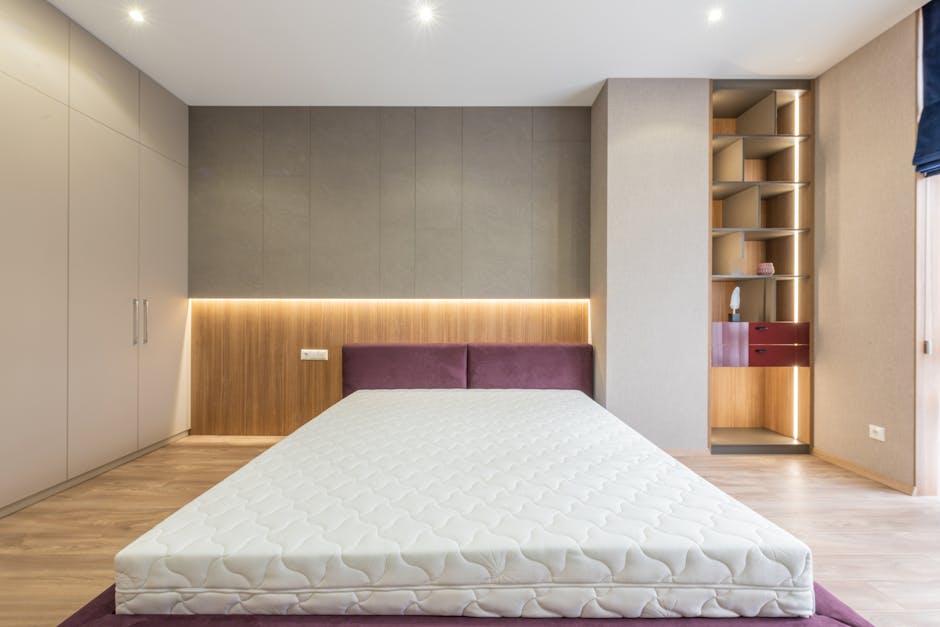
I’ve been burned by ‘too good to be true’ deals more times than I care to admit. When it comes to a king-size mattress, a rock-bottom price often signals significant compromises in quality and longevity. You’re typically looking at thinner comfort layers, less durable foams, and weaker coil systems that will break down quickly, leading to sag and discomfort within a year or two. Don’t chase the cheapest option; chase the best value for long-term comfort.
My Final Recommendation for King-Sized Comfort
After trying countless options, my ultimate pick for a truly comfortable and supportive king-size mattress, the one that finally put an end to my restless nights, is the Saatva Classic in Luxury Firm. I know I mentioned it earlier, but it deserves this spotlight. It consistently delivers on every critical aspect a king-size bed needs.
Here’s why I stand by it: The coil-on-coil construction provides exceptional support that’s hard to beat. The individually wrapped coils minimize motion transfer from my partner, which was a huge problem for me on other beds. Edge support is phenomenal; I can sleep right up to the edge without feeling like I’m going to roll off, meaning I actually get to use the full 76 inches of width. This is crucial for a king, letting you stretch out without fear.
It also sleeps incredibly cool, thanks to the robust airflow through the coil layers and breathable organic cotton cover. I haven’t woken up feeling overheated since I switched. The Luxury Firm firmness level (which they rate as a 5-7 out of 10) is perfect for a wide range of sleepers – it’s supportive enough for back and stomach sleeping, but has just enough contouring for side sleepers without feeling like you’re sinking. It’s the closest thing to a universal crowd-pleaser I’ve found in the king-size market, combining durable construction, thoughtful design, and pure comfort. Expect to pay around $2,600-$2,900 for a king, which is a fair price for the quality and the peace of mind it brings.