Why Accent Chairs Make Small Rooms Feel Larger
The usual small-room mistake is treating every chair as a spare seat instead of part of the floor plan. A bulky recliner, deep club chair, or wide barrel chair can steal the walking path and make a compact living room feel crowded within minutes. The right accent chair solves a more basic problem: it gives one person a comfortable place to sit while keeping the sofa, coffee table, and doorway connected.
The footprint matters more than the style label
Modern, mid-century, contemporary, and minimalist are style words. They do not tell you how much space a chair will consume. I pay attention to the outside width, total depth, arm width, and leg placement first. A chair that measures 28 inches wide but has broad arms may offer less usable space than a 30-inch chair with a narrow frame. In a small living room, a few inches around the chair matter just as much as the chair itself because people need room to pass, pull up a side table, and open a nearby cabinet.
My working rule is to leave at least 24 inches for a main walking route and around 16 to 18 inches between the front of the chair and a coffee table. That is not a rigid decorating law, but it keeps the room from feeling like an obstacle course. If the chair sits beside a sofa, I also leave a visible gap instead of pushing both pieces together. The gap gives the furniture breathing room and makes the room appear wider.
Comfort comes from proportion
A compact chair does not have to feel tiny. Look for a seat width of roughly 20 to 23 inches, a seat depth near 19 to 21 inches, and a seat height around 17 to 19 inches for normal living-room use. Deeper seats can feel relaxed, but they often force shorter users to perch forward or place a cushion behind their back. Very low seats look stylish in photographs and become annoying when you stand up repeatedly.
The best small-room chair has a clear job. It may face the television, turn toward the sofa for conversation, or sit near a window for reading. Once that job is clear, its shape becomes easier to judge. A slim reading chair needs a supportive back; a conversation chair can be more open and upright; a decorative corner chair can use a lighter frame because nobody will sit in it for three hours.
How to Measure a Chair Before You Buy

Measure the room with painter’s tape before opening a shopping app. Product photos hide scale, and a chair that looks compact beside a large studio sofa may dominate a 10-by-12-foot living room. I use this five-step check whenever a chair must fit into a tight corner.
- Mark the full footprint. Tape the chair’s listed width and depth on the floor. Include the widest point of the arms or back, not only the seat. Leave the tape in place for a day if possible. You will notice quickly if it blocks a door, heating vent, or favorite route across the room.
- Check the approach space. A chair is not usable if the coffee table sits directly against it. Keep about 16 to 18 inches between the seat edge and the table, then protect the main walkway with at least 24 inches of clear space. If the chair swivels, measure the turning circle rather than the static footprint.
- Measure the delivery route. Compare the packaged width and height with the front door, hallway, elevator, stair turn, and room entrance. A chair can fit the final corner and still fail at the first sharp turn. Flat-pack construction helps, but it may add assembly time and more joints.
- Match the seat height to the sofa. A seat that sits more than two inches lower than the sofa can look disconnected and feel awkward during conversation. If the chair is mainly for reading, a slightly higher seat may be easier to enter and leave. Measure from the floor to the top of the cushion, not only the frame.
- Test the visual mass. Use a cardboard box or stacked blankets at the approximate height and width. Dark upholstery, thick arms, and a high back look heavier than pale fabric and exposed legs at the same measurements. This simple mock-up often prevents a bad purchase more effectively than another hour of scrolling.
The numbers I would not ignore
For most compact living rooms, I prefer an outside width below 30 inches and a total depth below 32 inches. A 27-inch-wide chair can still feel generous if the arms are slim and the seat is at least 20 inches wide. I avoid anything deeper than 34 inches unless the chair replaces a sofa-side table or occupies a dedicated corner. The extra depth usually takes more floor space than the product photo suggests.
Fabric and maintenance checks
Read the care instructions before choosing a pale boucle or loose-weave linen look. Removable covers, spot-clean instructions, and a tightly woven polyester blend are useful in homes with children, pets, or frequent guests. A beautiful chair that cannot handle a drink spill becomes a covered chair, and a covered chair no longer performs its design job.
The Best Under-$300 Chairs by Room Layout
These are the models I would shortlist after checking the dimensions, price, and intended use. Prices can move with color and sales, so treat the figures as a 2026 buying snapshot rather than a permanent guarantee. The important point is the tradeoff each chair makes.
| Chair | Price snapshot | Overall dimensions | Best use | My verdict |
|---|---|---|---|---|
| IKEA POÄNG Armchair | $149 | 26.75 W x 32.25 D x 39.38 H inches | Reading corner or sofa companion | Best value for a tall, light-looking chair |
| HomePop Metal Frame Accent Chair | $144.49 sale price | 30.5 W x 31.5 D x 31 H inches | Modern room needing easy-clean faux leather | Best for a firm, open silhouette |
| HomePop Swoop Accent Chair | $222.99 | Check current color listing before ordering | Desk, corner, or occasional seating | Best style pick when the pattern earns attention |
| Latitude Run Modern Accent Chair | $229.99 sale price | 27 W x 32 D x 40.5 H inches | Narrow corner with a tall back | Best compact width for upright support |
| Latitude Run Solid Wood Frame Chair | $236.99 sale price | 29 W x 26.5 D x 30.25 H inches | Shallow room or tight passage | Best depth, but check reviews before buying |
What I would buy first
The IKEA POÄNG is my first choice for most small living rooms. Its 26.75-inch width, high back, 22-inch seat width, and 16.5-inch seat height give it a useful mix of comfort and a light footprint. The bentwood frame also leaves more visible floor than a fully upholstered base, which helps the room feel less packed. It is not the right chair for someone who wants a rigid upright posture or a heavy, plush lounge seat, but it is the safest value at $149.
For a room that needs a shallower chair, the Latitude Run solid wood frame model is the more interesting option at 26.5 inches deep. I would choose it over the HomePop Metal Frame Accent Chair when the chair must sit near a walkway. The HomePop model wins for wipe-clean faux leather and a 300-pound listed capacity, but its 30.5-inch width and 31.5-inch depth require more breathing room.
My Clear Pick for a Narrow Living Room

For a narrow living room, my clear pick is a chair under 30 inches wide, no deeper than 32 inches, with exposed legs, slim arms, and a seat height close to the sofa; that combination protects the walkway, keeps more floor visible, and gives the room a useful second seat without creating the visual block caused by a low, wide barrel shape.
I would spend the money on a supportive back and a durable, easy-care cover before paying for decorative tufting, oversized cushions, or a dramatic swivel base, because those extras take up space while doing little for daily comfort; a chair that looks striking but forces the coffee table forward can make the entire seating arrangement worse.
If the only available spot is beside a door, choose an armless occasional chair or move the chair to a bedroom, then use a narrow bench or pouf in the living room instead; the best furniture choice is the one that preserves movement, and a small room feels larger when people can cross it naturally rather than squeezing around a statement piece.
Questions I Ask Before Paying $300
Is the IKEA POÄNG comfortable enough for daily use?
Yes, if you want a supportive reading chair with a high back and a little spring from the bentwood frame. I would choose the IKEA POÄNG for a person who likes to lean back, read, or sit beside a sofa for an hour or two. Its 19.63-inch seat depth is more manageable than many lounge chairs, and the 26.75-inch width is genuinely useful in a small room. I would not buy it for someone who needs a very firm, upright dining-chair posture or has already found low, angled seats difficult to leave. The frame is light and easy to move, but the cushion will not feel like a thick upholstered club chair.
Which budget chair works best with pets or messy habits?
The HomePop Metal Frame Accent Chair is my practical pick because faux leather can be wiped clean faster than nubby fabric. The $144.49 sale price leaves room for a small lumbar cushion without breaking the $300 limit, and the listed 300-pound capacity gives the frame a useful benchmark. I would skip it if you dislike the feel of faux leather in warm weather or want a soft, sink-in seat. In that case, choose a tightly woven polyester chair and accept that stains will need faster attention.
Should I trust a chair with few or no reviews?
No. I would not make the Latitude Run Solid Wood Frame Chair my first purchase for a main seat if the listing has no meaningful customer feedback, even though its 29-inch width and 26.5-inch depth are excellent for a tight layout. It becomes a reasonable choice only when the return policy is clear, the delivery route is easy, and the chair will not be your household’s only comfortable seat. The HomePop Swoop Accent Chair is a safer style purchase when you can see a strong review history and need a patterned piece for occasional use. Product photographs cannot reveal cushion firmness, fabric feel, or assembly quality.
When to Skip an Accent Chair
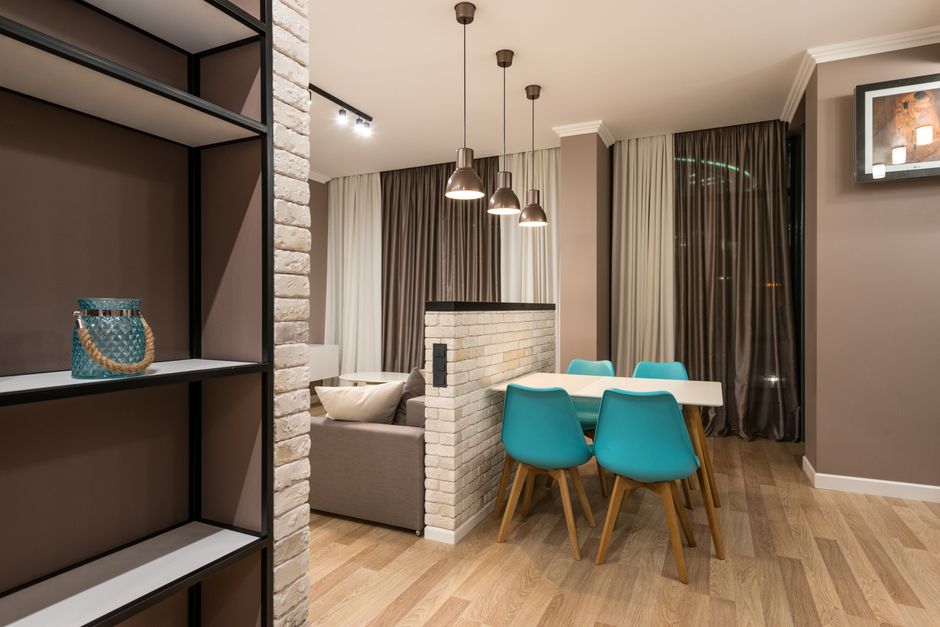
My strongest advice is to skip the accent chair if your room has no clear place for one. A second chair is not automatically an upgrade. If adding it blocks the balcony door, cuts the sofa off from the side table, or leaves less than 24 inches for a main walkway, the room will feel harder to use every day. Buy a smaller piece of furniture instead of forcing a chair into a bad plan.
Use a bench when the room is long and narrow
A 36- to 48-inch bench can provide flexible seating along a wall while using less visual depth than a conventional armchair. It works well beneath artwork or beside a console, especially when guests need an occasional place to sit. The tradeoff is back support. I would never choose a bench over the IKEA POÄNG for daily reading, but I would choose it over a deep chair in a passage-heavy room.
Use a pouf when you need flexible floor space
A pouf or compact ottoman can act as a footrest, spare seat, or movable surface. It is easier to shift before cleaning and less likely to dominate a small layout. The downside is that it lacks a proper back and may not work for older guests. Pick it when flexibility matters more than long sitting sessions.
Choose the cheaper chair only when its job is limited
The HomePop Swoop Accent Chair makes sense as a color or pattern accent that receives occasional use, while the Latitude Run Modern Accent Chair is the better direction for a tall reading corner because its 27-inch width and high back make the footprint easier to manage. The next wave of small-room furniture will likely focus less on oversized silhouettes and more on chairs that earn their floor space through comfort, repairable covers, and genuinely compact measurements.