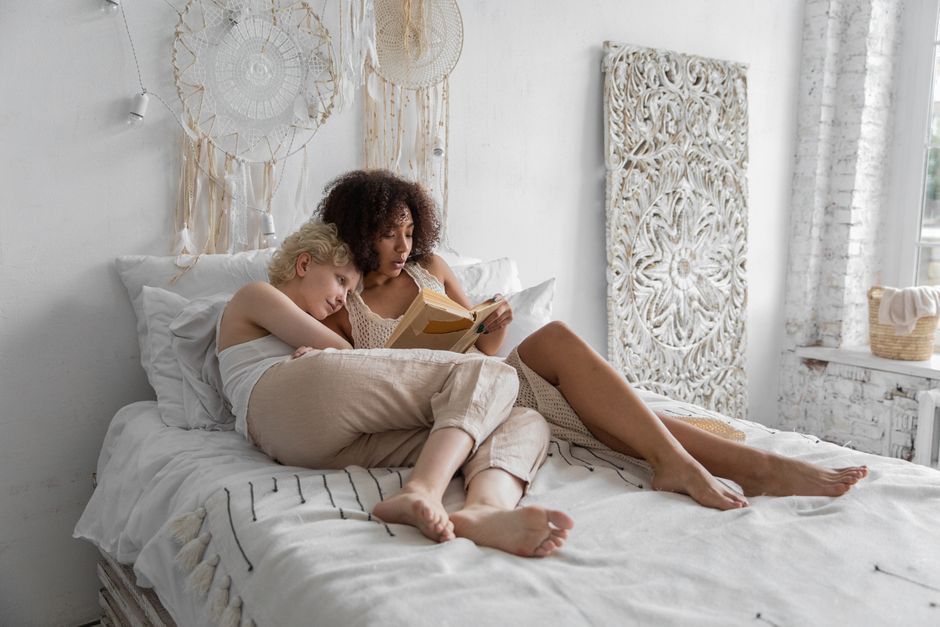
Bohemian does not mean covering every surface with baskets, plants, and patterned fabric. That approach creates clutter, not a sanctuary. A convincing bohemian bedroom comes from warm light, natural texture, useful storage, and a few personal pieces placed with restraint.
What Makes a Bedroom Bohemian Instead of Cluttered?
Boho style is a layering system
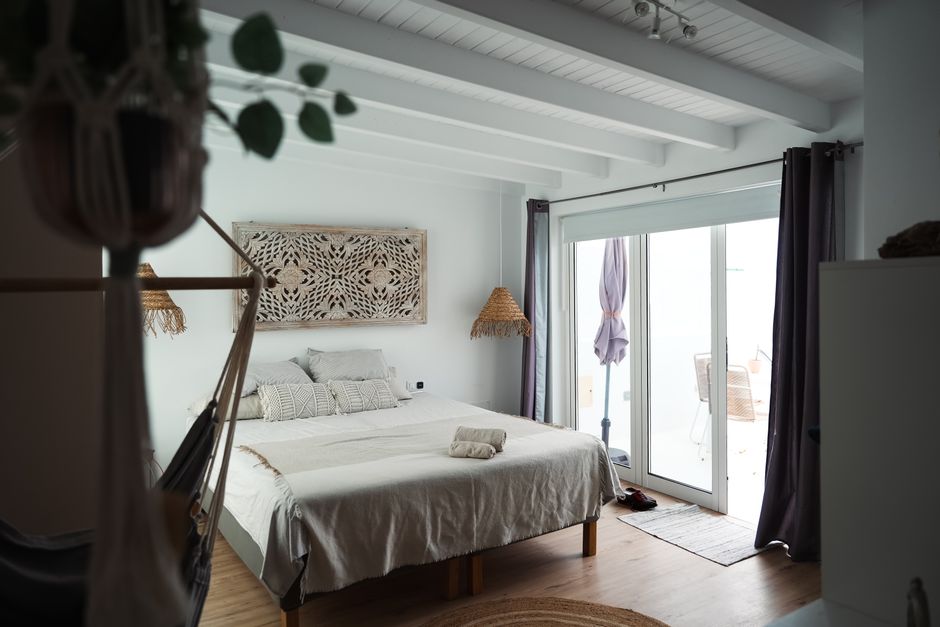
A bohemian bedroom works because it mixes visual layers that serve different jobs. Start with a calm base: warm white, clay, sand, muted olive, or dusty rose on the walls and larger bedding. Add one rough texture, such as woven cotton, jute, cane, linen, or unfinished wood. Then add one softer layer, such as a quilt, velvet cushion, or knitted throw. The contrast gives the room character without requiring expensive furniture.
The mistake is treating bohemian style as a collection of objects. Ten small decorations do less than one large woven wall hanging or one patterned bedspread. Keep the floor mostly clear, leave breathing room around the bed, and choose items that either add texture, improve comfort, or carry a personal story.
Use three colors and repeat them
Pick one base color, one warm accent, and one dark grounding shade. For example, use cream walls, rust textiles, and walnut-brown wood. Repeat each shade at least twice so the room looks intentional. A rust cushion can echo a terracotta vase; a dark wood stool can connect with a framed print. This simple repetition keeps mixed patterns from becoming noisy. For a small bedroom, warm neutrals with one earthy accent are the clear winner.
Set a Bohemian Bedroom Budget Before You Shop
Use a hard spending ceiling
Set the total before buying a single decorative object. A $300 limit is enough for a visible change if the money goes to the bed, lighting, and one major texture first. Do not spend half the budget on small accessories. They are easy to find later at thrift stores, estate sales, or discount home sections.
| Project area | Budget limit | What it covers |
|---|---|---|
| Wall color | $35 | Paint, sample pots, tape, and basic supplies |
| Bedding layer | $95 | Duvet cover, quilt, or secondhand blanket |
| Lighting | $45 | One lamp and a warm LED bulb |
| Textiles | $55 | Rug, cushion covers, or curtain panels |
| Storage | $40 | Baskets, hooks, or a small shelf |
| Art and plants | $30 | One print, frame, and low-maintenance greenery |
| Total | $300 | A complete visual reset |
Buy in the right order
Measure the room, photograph the existing furniture, and write down what already works. Then buy in this order: bedding, lighting, wall treatment, storage, and small accents. Bedding covers the largest visual area, while lighting changes the mood every evening. Skip anything that has no clear location. A bargain is not a bargain when it becomes another item on the floor.
Build the Bed as the Room’s Soft Focal Point
Choose a simple bedding foundation
The bed should look comfortable before it looks decorated. Use one solid duvet cover, one patterned layer, and two or three pillows in related colors. The IKEA DVALA duvet cover is a practical starting point because its 100% cotton fabric gives a plain bed a natural texture without a luxury price tag. Add a quilt or blanket folded across the lower third of the bed. That horizontal band makes the bed look finished and keeps the pattern from taking over the room.
For a double or queen bed, one 50-by-70-inch quilt usually gives enough coverage for a folded accent layer. Do not stack six pillows if you dislike moving them every night. Two sleeping pillows, two decorative cushions, and one lumbar cushion are enough.
Add texture without buying a full matching set
Matching bedding sets often look flat because every surface has the same color and finish. Buy separates instead. Pair crisp cotton with a slubby throw, a faded kilim-style blanket, or a secondhand woven coverlet. Check every used textile for odor, stains, moth damage, and washable care instructions before bringing it home. Wash thrifted fabric on the hottest safe setting and dry it fully.
Keep patterns at different scales. A small geometric cushion can sit beside a large floral or striped blanket, but two equally busy patterns compete. The best budget combination is one pattern, two solids, and one natural fiber. That formula creates warmth while keeping the bed easy to remake.
Use Light and Texture to Change the Mood
Layer light instead of adding more decor
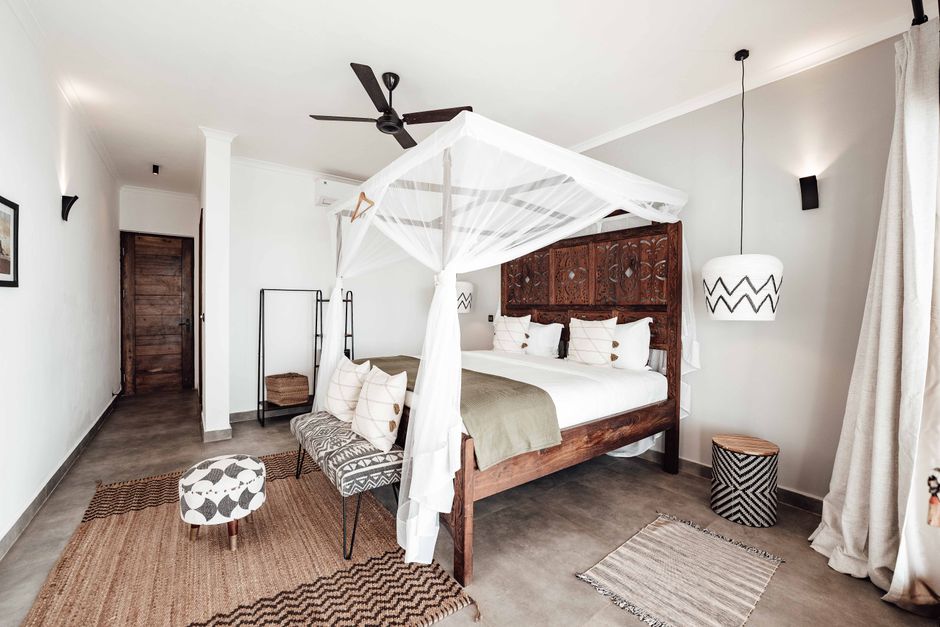
Overhead lighting makes most bedrooms feel harsh. A bohemian sanctuary needs at least two lower light sources: one beside the bed and one across the room. The IKEA RANARP floor lamp has an adjustable shade and an E26 socket, so it can provide focused reading light without dominating the decor. A Philips Hue White Ambiance A60 bulb offers up to 1100 lumens and adjustable color temperature, but a basic 2700K LED bulb is enough for a cheaper setup.
- Use the ceiling fixture only for cleaning and dressing.
- Place the main lamp between 24 and 30 inches above the mattress surface.
- Choose warm light around 2700K for evenings.
- Point one lamp toward a wall so it creates a soft glow.
- Keep cords along the wall and secure them with low-profile clips.
- Turn off blue-white task lighting at least one hour before sleep.
Give one wall a tactile feature
Choose one wall behind the bed for a textile, cane panel, framed fabric, or a narrow gallery arrangement. The IKEA LACK wall shelf measures about 110 by 26 centimeters and works well for a few books, a trailing plant, and one ceramic piece. Mount shelves securely and keep heavy objects low. A single tactile wall is stronger than several small arrangements scattered across the room.
Budget Boho Questions That Prevent Expensive Mistakes
Should I paint all four walls?
No. Paint the wall behind the bed first. One warm accent wall creates depth and saves paint, time, and repair work. Use a sample pot in morning and evening light before committing. Deep terracotta and olive can look rich at noon but heavy under weak artificial light. If the room receives little daylight, choose a dusty neutral and let textiles provide the color.
What should I thrift?
Thrift baskets, solid wood stools, mirrors, frames, ceramic vessels, and washable blankets. These pieces gain character from small imperfections. Avoid upholstered furniture with a strong smell, peeling faux leather, water damage, or unknown pest history. Do not buy a large item simply because the price is low. Measure doorways, stairwells, and the final wall before paying.
When should I skip a bohemian accent?
Skip it when it blocks a walkway, collects dust beside your pillow, or has no useful role. A hanging plant is a poor choice for someone who forgets watering or has pets that chew leaves. A floor cushion is not practical if it becomes a laundry pile. The room should support rest first. Personal style comes second.
Bohemian Bedroom Budget Choices: Spend or Cut?
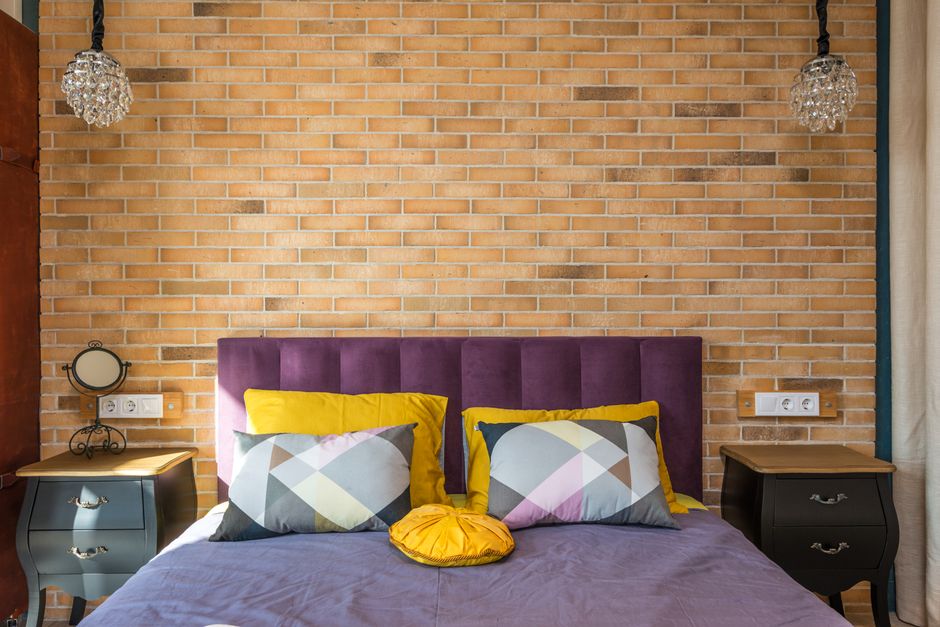
The best budget decision is to spend on items that cover a large area or change the room every night. Cut spending on tiny accents, trendy signs, and decorative storage that holds nothing. The table below gives a clear priority order.
Where the money makes the biggest difference
| Choice | Spend on it | Cut costs here |
|---|---|---|
| Bedding | One breathable cotton or linen layer | Extra decorative pillows |
| Lighting | A shaded lamp with a warm bulb | Smart controls and color effects |
| Storage | Useful open or closed storage | Matching decorative boxes |
| Wall decor | One large textile or print | Several tiny mass-produced signs |
| Furniture | Solid, correctly sized basics | Furniture bought only for its boho label |
The final verdict by room problem
For a cold-looking bedroom, buy bedding and a warm lamp first. For a messy bedroom, solve storage before adding decor; the IKEA KALLAX 2×2 unit measures about 77 by 39 by 77 centimeters and can hold baskets, books, or folded blankets without taking much floor space. For a blank bedroom, paint one wall and add a large textile. For a small room, choose fewer, larger pieces. The winning formula is simple: soft bed, warm light, one tactile wall, and clear floors.