Material Field Notes / No. 02
Judge a Leather Bag by the Years Ahead
The right question is not whether a bag looks perfect on day one. It is whether its structure, surface and hardware can become more useful after a hundred ordinary days.
The ownership test
Look past the showroom finish
A long-life bag begins with a clear role. It must fit the objects, journeys and storage habits it will meet most often. Leather alone does not guarantee longevity; a beautiful bag that is awkward to open, too heavy when empty or impossible to store will spend its life on a shelf. Durability is a relationship between material and routine.
Before comparing colours, handle the practical questions. Can the opening accept the largest object without bending it? Does the base hold its shape? Can the strap be adjusted while wearing a coat? Are the stress points reinforced where the handle joins the body? These details determine whether a bag joins daily life or remains a special-occasion promise.
The useful objective is graceful wear, not permanent newness. Small creases, softened edges and a changing sheen record use. Damage is different: torn stitching, stretched holes and a collapsed base interrupt function. Learning the distinction makes care simpler and buying more deliberate.
Field note 01 / Structure
Shape should support the load
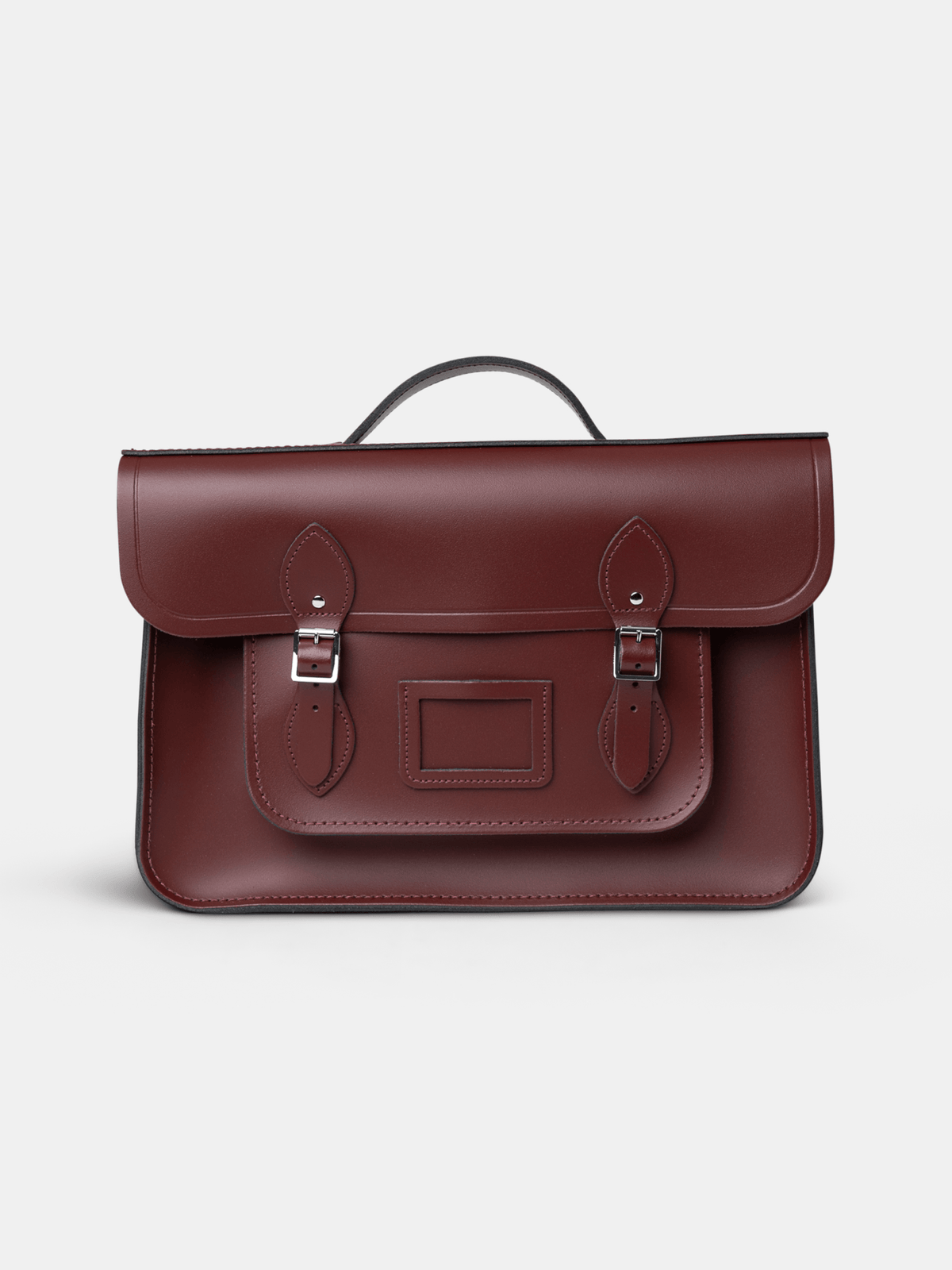
A structured batchel distributes papers and devices across a defined base instead of allowing them to sag into one corner. That shape is especially useful when the bag moves between a hallway hook, a train floor and an office desk. It also makes overpacking visible: if the gusset strains or the flap no longer falls naturally, the contents need editing.
Check the empty weight before admiring the capacity. Thick leather and substantial hardware feel reassuring in the hand, but every ounce remains on the shoulder for the whole journey. The best proportion is enough body to protect the contents without turning the bag itself into the heaviest item.
At home, store a structured bag upright with light support inside. A folded cotton cloth is enough; tightly packed paper can push the leather out of shape. Leave straps relaxed rather than wrapped sharply around the body.
Field note 02 / Surface
Choose the finish for the life it will meet
Smooth leather shows the story of use quickly. Fine marks, changing colour and a developing sheen are part of its appeal, but the owner must be comfortable with that evolution. A grained finish breaks up the surface visually, so everyday scuffs are less obvious. It is a practical choice for crowded commutes, family outings and bags that often share space with keys.
Dark oxblood works like a neutral without feeling flat. It pairs with black, navy, denim and earthy colours, while small changes in the surface remain part of the tone. Green and warm brown have a similar ability to carry colour while still behaving like household staples.
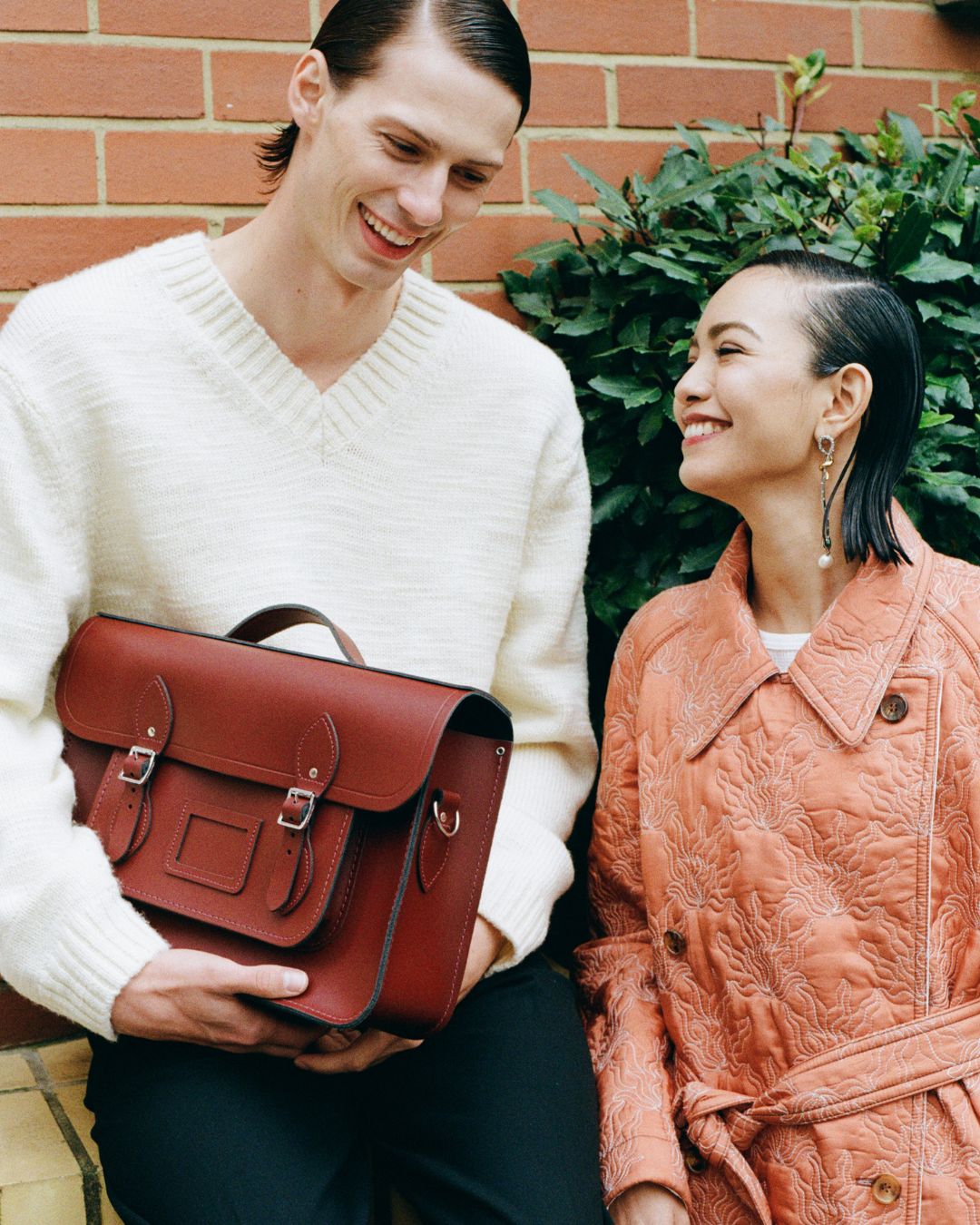
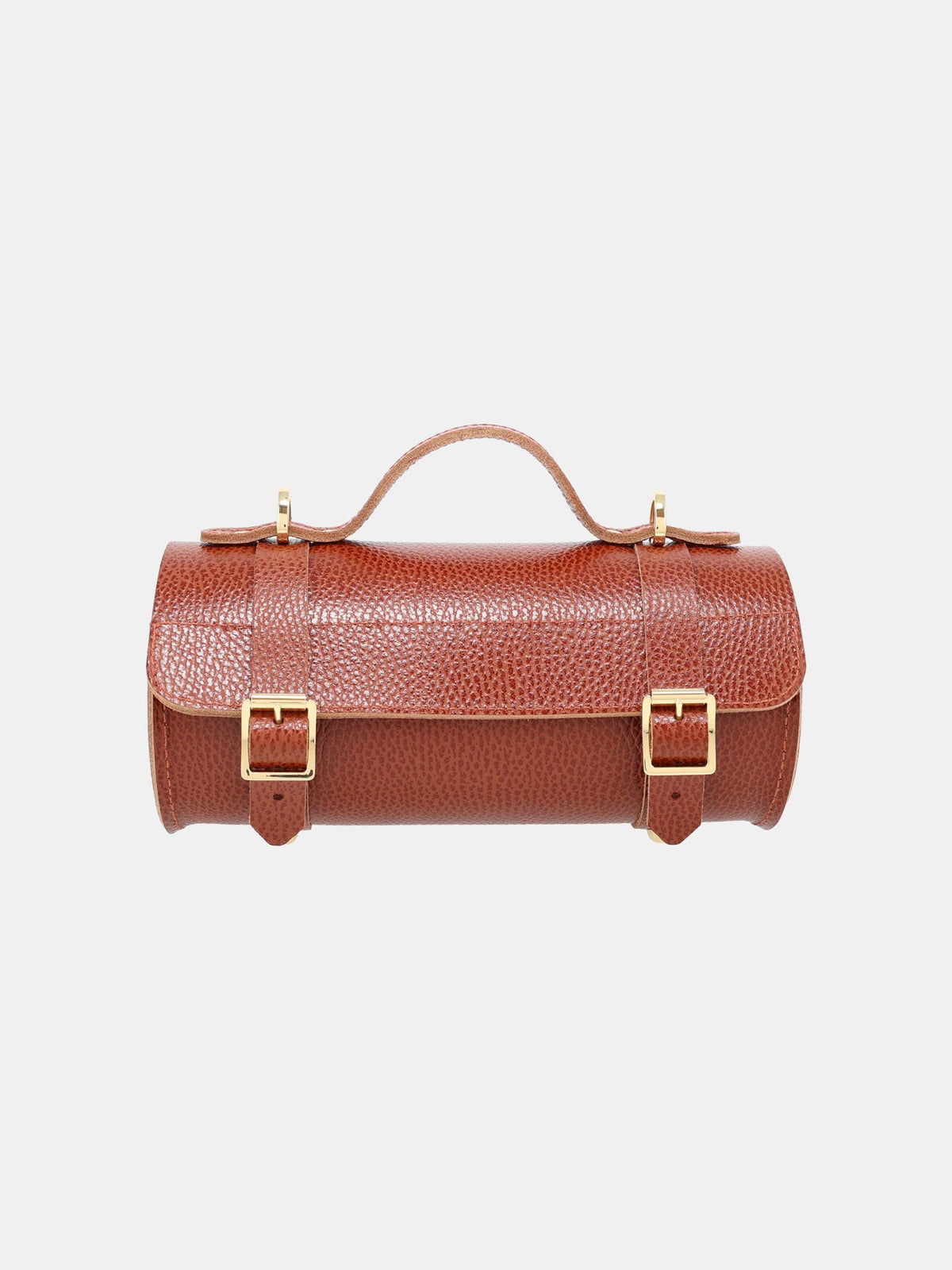
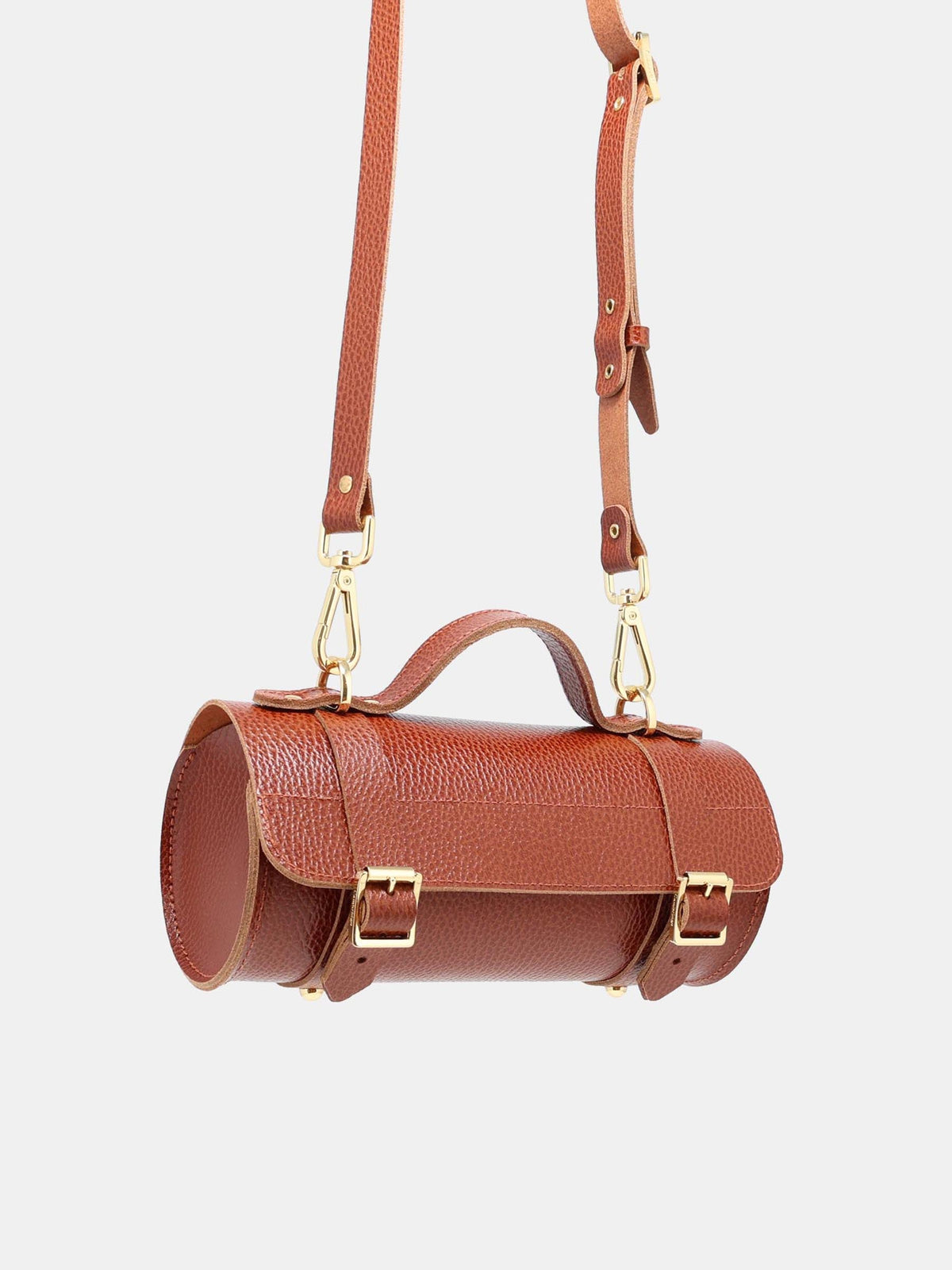
Product photography should be read in two ways: the clean front view reveals proportion and hardware; the lifestyle image reveals scale against the body. A bag can look compact in isolation and surprisingly dominant when worn. Use both before deciding.
Field note 03 / Grain and scale
Small bags still need full-size judgement
Opening
A beautiful small bag fails quickly if a phone has to be forced through the opening. Compare the narrowest point, not only the widest exterior measurement.
Strap
Check the shortest and longest settings against the clothes you wear. A crossbody drop that works over a shirt may sit too high over winter layers.
Closure
Operate it one-handed. A closure used several times an hour should feel positive without demanding perfect alignment.
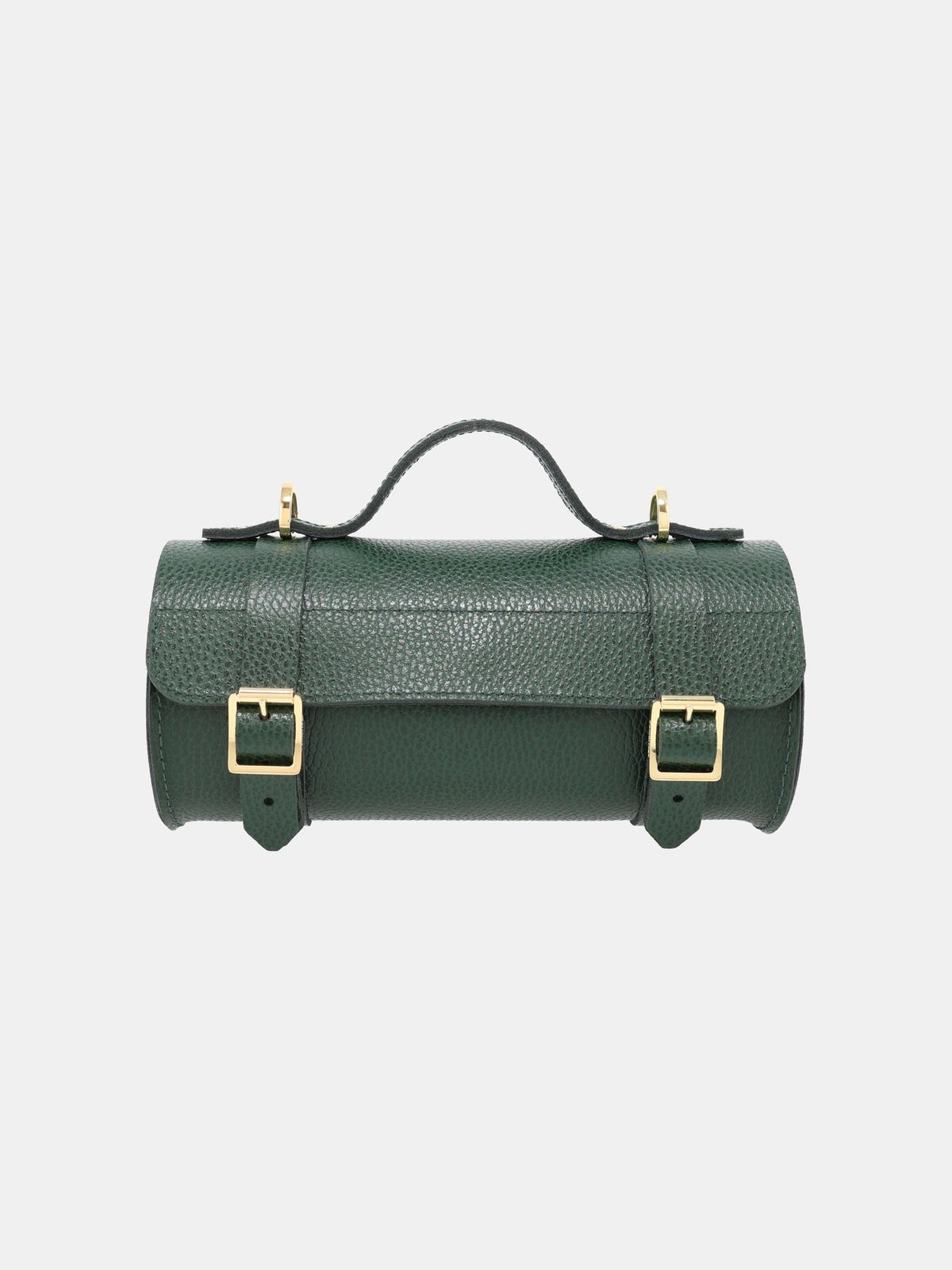
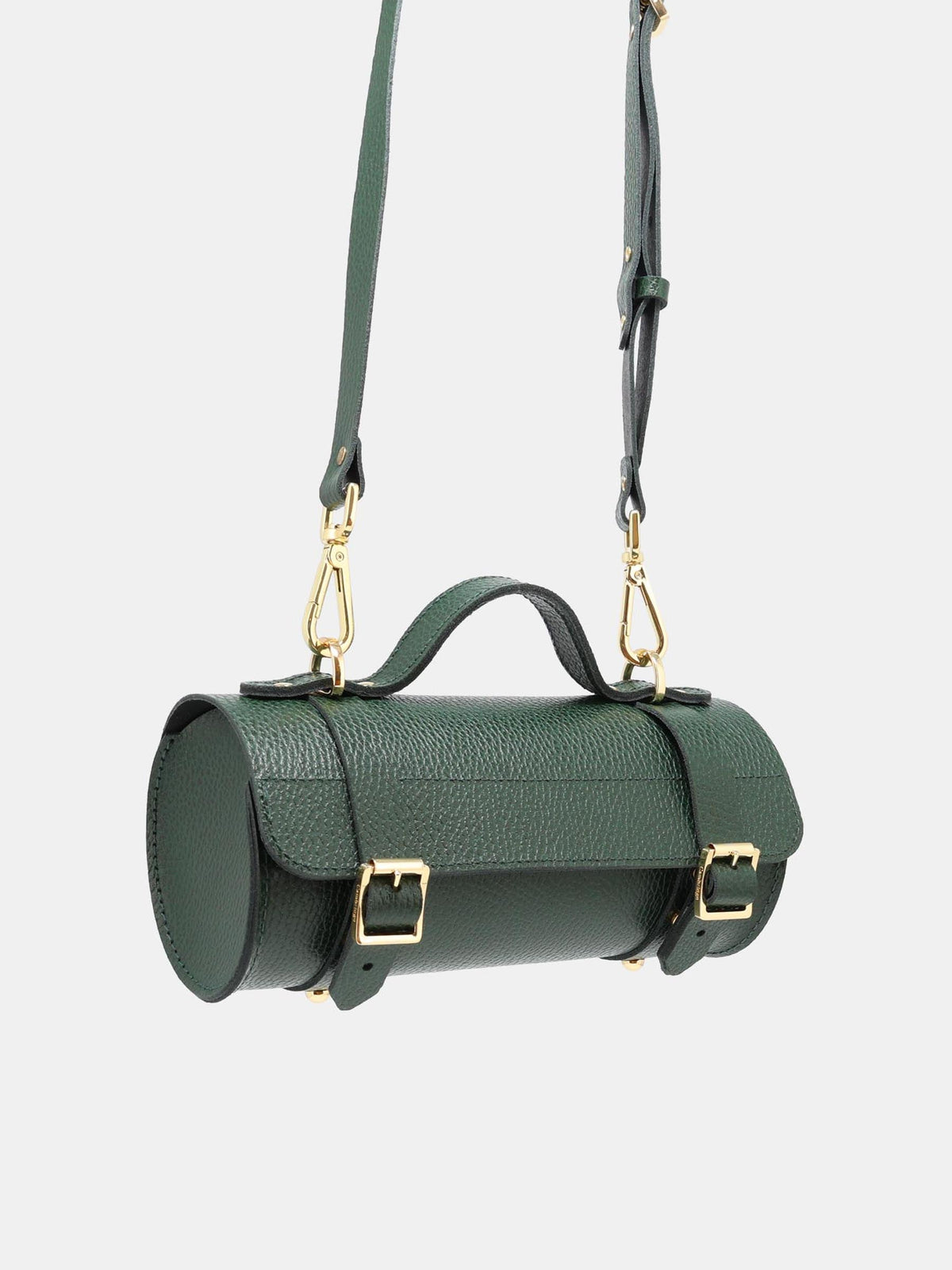
The Mini Bowls shape is a useful case study because its rounded body changes the capacity calculation. Curves can create a generous centre while narrowing the corners. Pack with soft objects around one or two rigid essentials instead of expecting a rectangular stack.
Textured Celtic grain also illustrates a practical surface choice. The finish brings visual depth without requiring the owner to preserve a mirror-smooth face. That does not make it maintenance-free; it simply makes ordinary wear less visually demanding.
A small bag is often handled more than a larger work bag because it accompanies quick errands and evenings. Inspect the handle attachments and the point where the strap meets the body. Repeated motion concentrates there.
Field note 04 / Colour
Use a wardrobe test, not a trend forecast
Lay out the three coats or jackets worn most often, then add the shoes used for ordinary days. A useful bag should work with at least two of those combinations without special planning. This is a more honest colour test than imagining a complete new wardrobe around one purchase.
Racing green behaves well with navy, camel, grey and denim. A warm bay brown softens black and works naturally with olive, cream and rust. Neither needs to match shoes exactly. Repetition of temperature, warm with warm or cool with cool, usually creates enough coherence.
Photographs under studio light can make colour look brighter and grain look flatter. Compare several images and expect variation between screens. The aim is not perfect digital certainty; it is choosing a colour family that already belongs in the life around it.
Care schedule
Small habits protect the working parts
After a wet day: blot with a clean cloth and let the bag dry at room temperature, away from a radiator. Heat can stiffen leather and distort edges.
Once a month: empty the base, brush out grit and inspect corners, handle joins and strap holes. Early wear is easier to address than a split seam.
Several times a year: use a suitable leather conditioner sparingly after testing it in an unseen area. More product is not more protection.
When stored: keep the shape lightly supported and allow air around the bag. Avoid sealed plastic, which can trap moisture.
Repairs are part of long ownership. A replaced strap keeper or renewed edge can extend useful life without erasing the character already earned.