Crafts Design / Household Field Guide
Make the Bag Part of the Household System
A useful bag is not just something you wear. It is the portable end of the entryway: the place where keys, glasses, notes and the small tools of the day either stay findable or disappear.
One role.
Give each bag a clear job.
One landing place.
Store it where leaving begins.
One reset.
Empty receipts and refill essentials weekly.
The overlooked room
Start with the hallway, not the handbag
Most bag advice begins with colour or size. A calmer household begins one step earlier: where does the bag live when nobody is carrying it? If it lands on a chair, its contents spread into several rooms. If it has a hook, shelf or tray beside the door, it becomes part of a repeatable leaving routine.
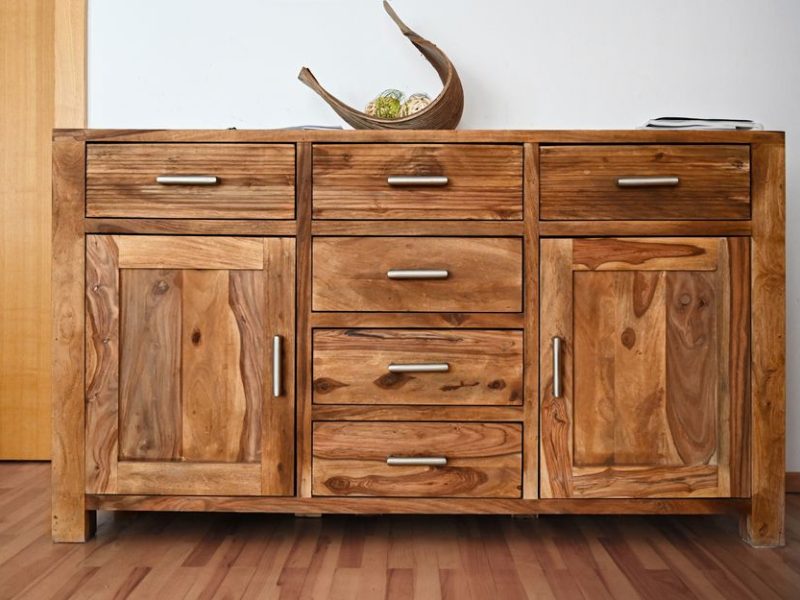
Choose a landing place that can take the full weight without crushing handles. Add a shallow tray for the items that should not stay inside overnight, such as post, children’s permission slips and charging cables. The goal is not a styled vignette. It is a short, visible route from bag to home and back again.
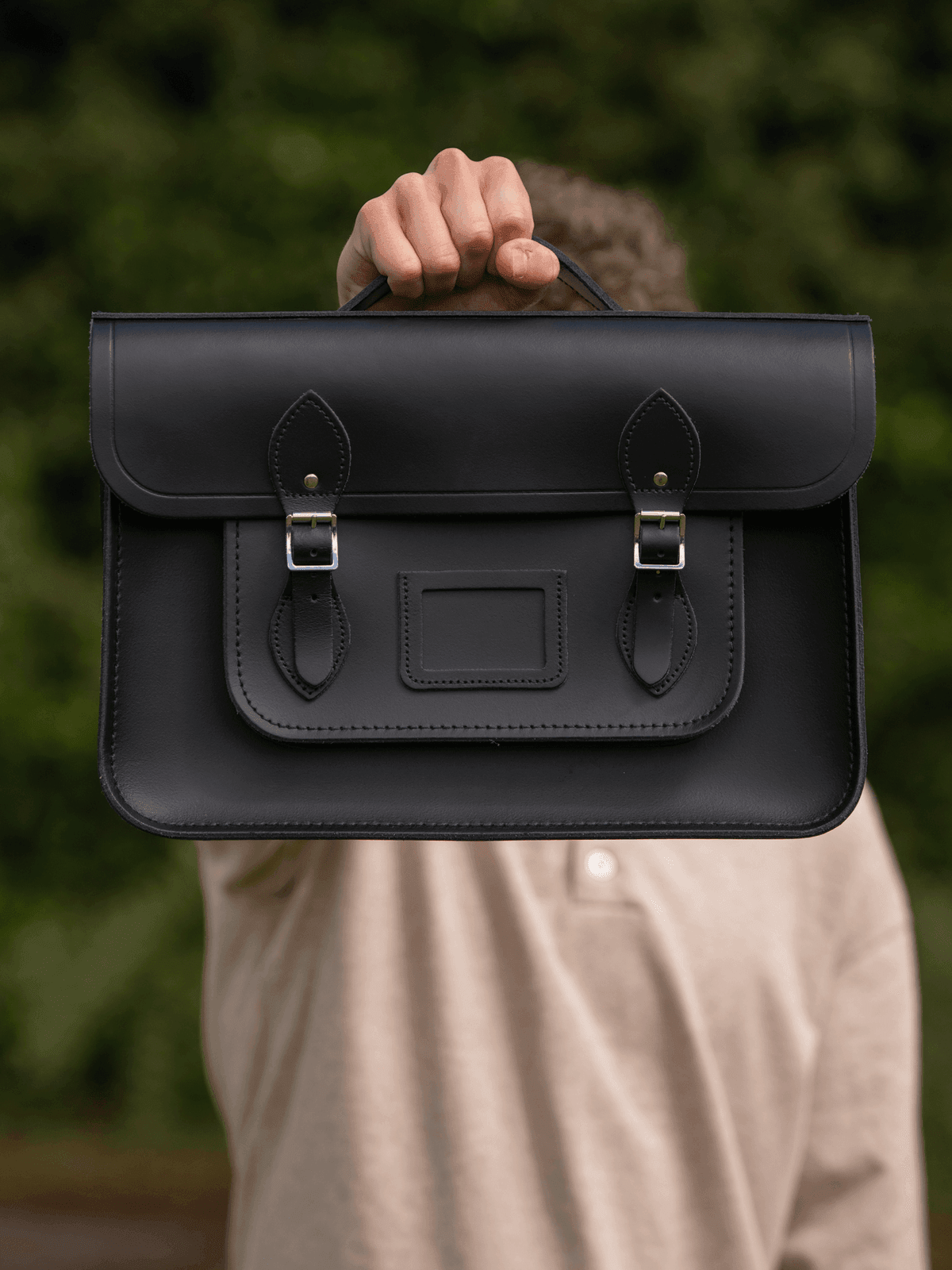
A structured satchel earns its space here because it stands upright and opens predictably. You can see whether the notebook returned, whether the water bottle leaked and whether tomorrow’s pass is ready. That small visual check prevents the frantic search that makes an ordinary morning feel late before it begins.
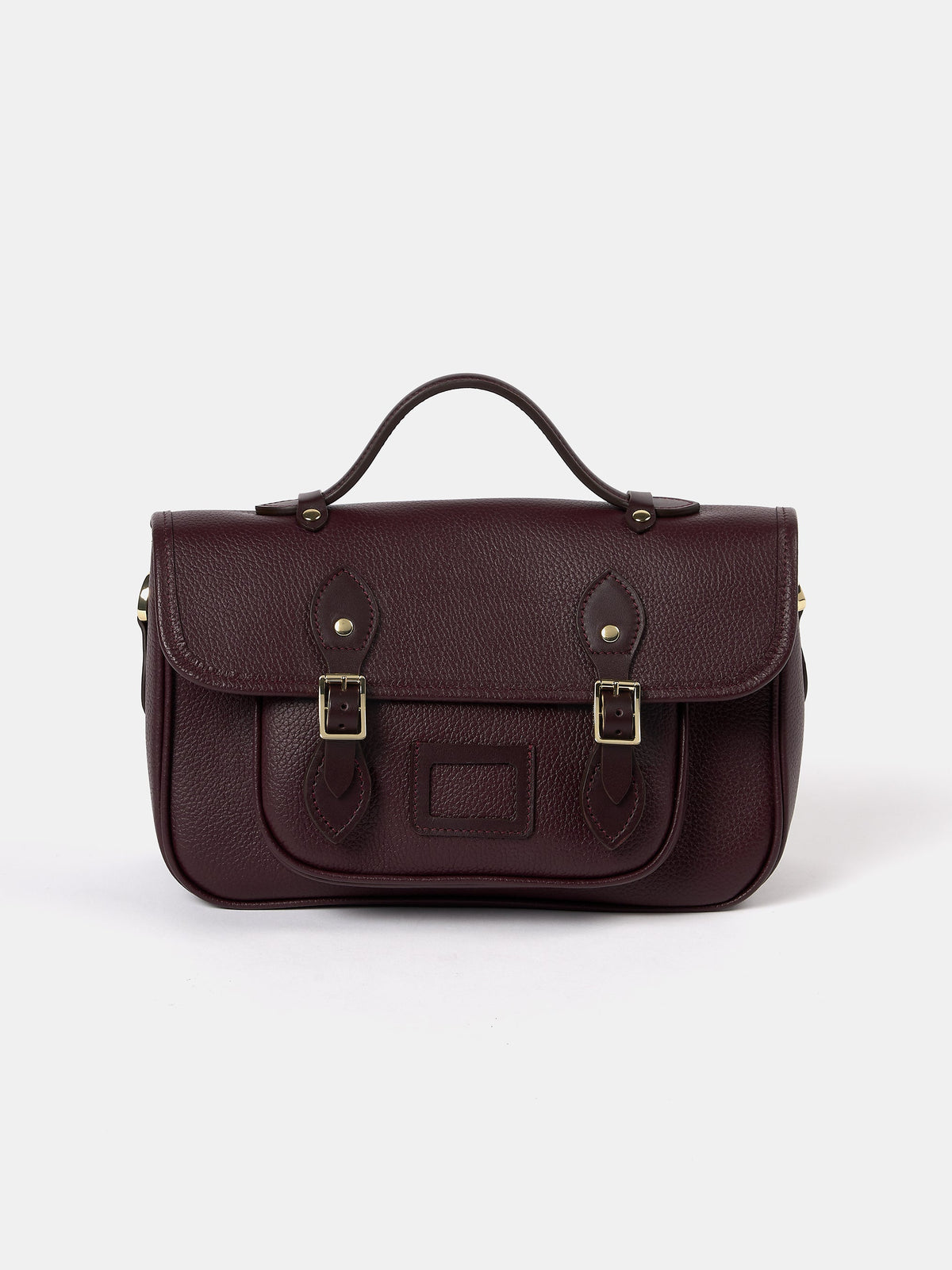
A three-bag household
Assign by task before you assign by person
The working day
Allow room for the largest item you genuinely carry, then stop. A laptop-sized bag does not need to become a storage cupboard. Keep a slim pouch for chargers and one document sleeve so loose papers cannot take over the base.
The short errand
A smaller bag is useful because its limits are visible. Phone, card case, keys, glasses and one personal item are enough. The compact format removes the temptation to transfer yesterday’s clutter into today’s walk.
The shared outing
Family days need spare capacity, but not a duplicate of the kitchen drawer. Pack by event: one weather layer, one snack, one first-aid pouch. Return shared items to their household homes when the outing ends.
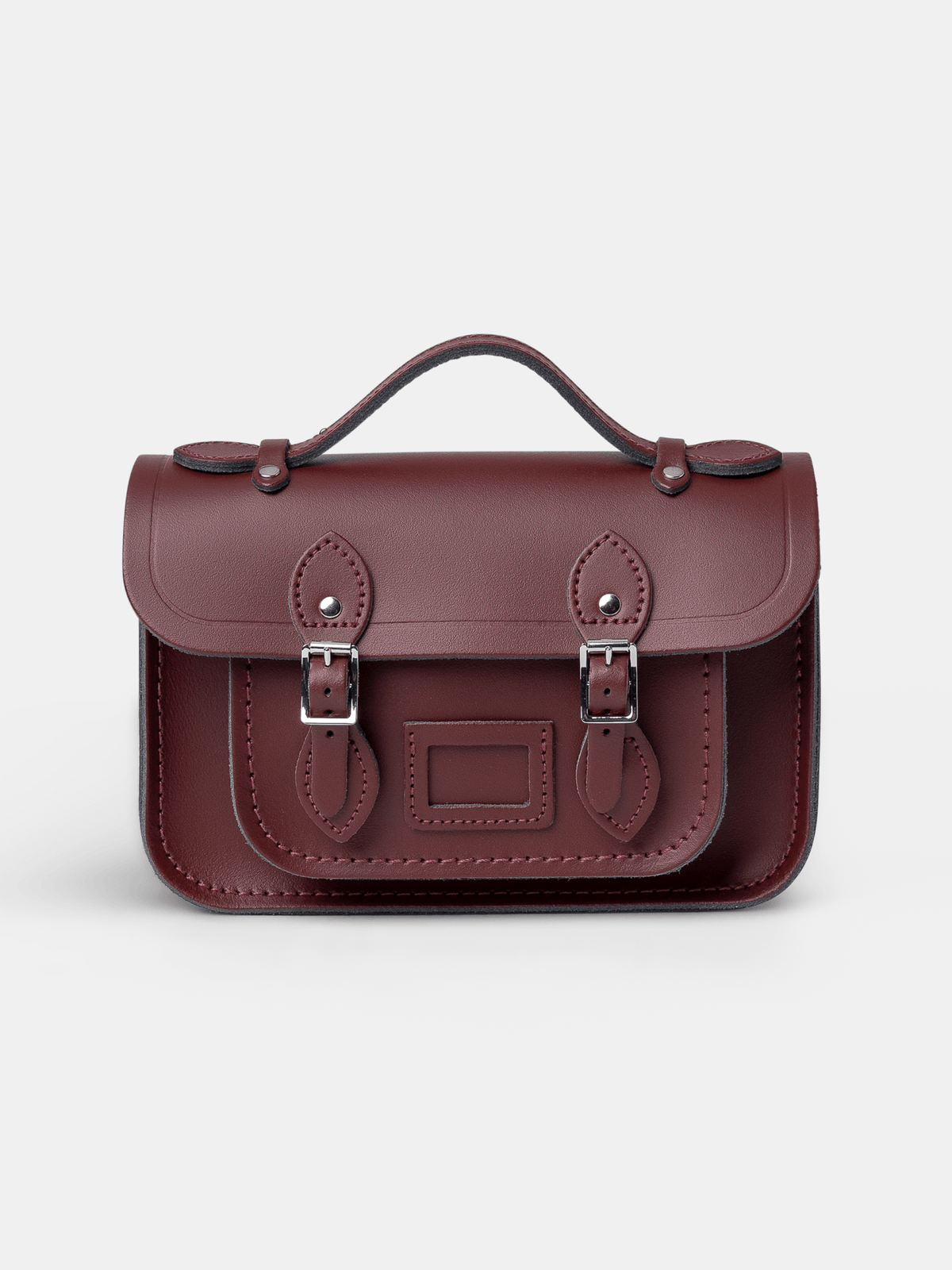
The compact edit
Let a small bag teach the limits
Downsizing works when you protect function rather than trying to shrink every habit. Start by laying out what you used during the previous three days. The essentials are usually fewer than the things that travelled with you. Keep the frequent five within easy reach, move emergency items into a flat pouch and leave duplicates at home.
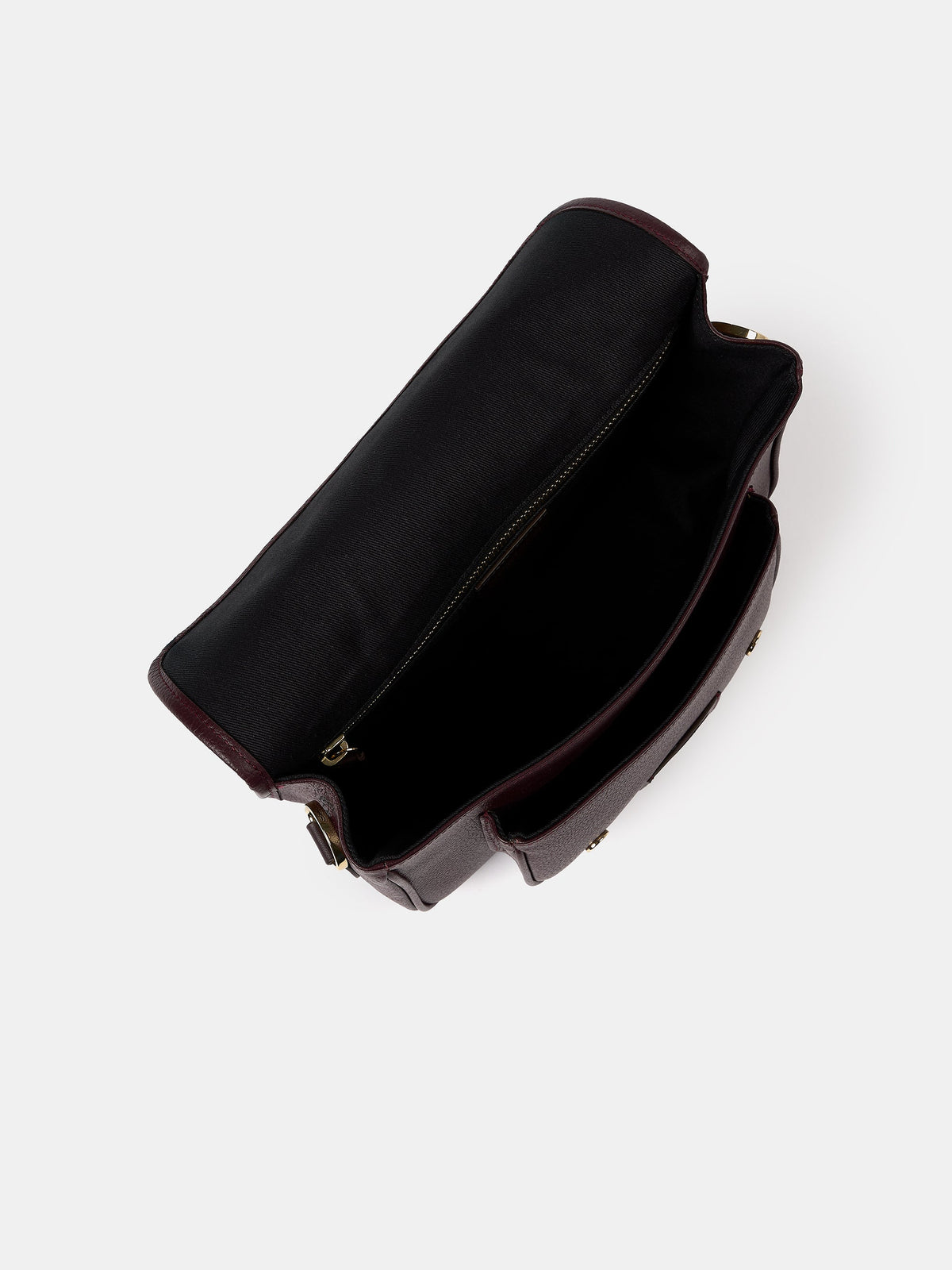
The benefit is not merely a lighter shoulder. A smaller interior gives every object a stronger address. Keys sit in the same pocket, glasses return to the same case and a card holder stays upright instead of vanishing under a scarf. This is the portable version of a labelled drawer: fewer places to look and fewer decisions at the door.
Do not judge the experiment during an unusual day. Test it on a normal week, including one wet commute and one unplanned stop. If an item is missed twice, it earns a place. If it never leaves the bag, it probably belongs in the house.
Off-duty carry
Change the load, not the whole system
A weekend bag can use the same small pouches as a work bag. Transfer the card case, key clip and personal kit as units rather than moving loose objects one by one. This makes the switch quick enough to happen and obvious enough to reverse on Sunday evening.
Keep the weekend set deliberately spare. A camera or book may replace work papers; it should not sit on top of them. Photograph the finished contents once, not for social media but as a practical packing reference. The next time you leave, the image answers the question of what normally belongs.
Colour can also carry information. A dark work bag and warmer off-duty bag are easy to distinguish on the same shelf. The distinction saves more time than a collection of nearly identical totes, each holding a forgotten lip balm and no useful pen.
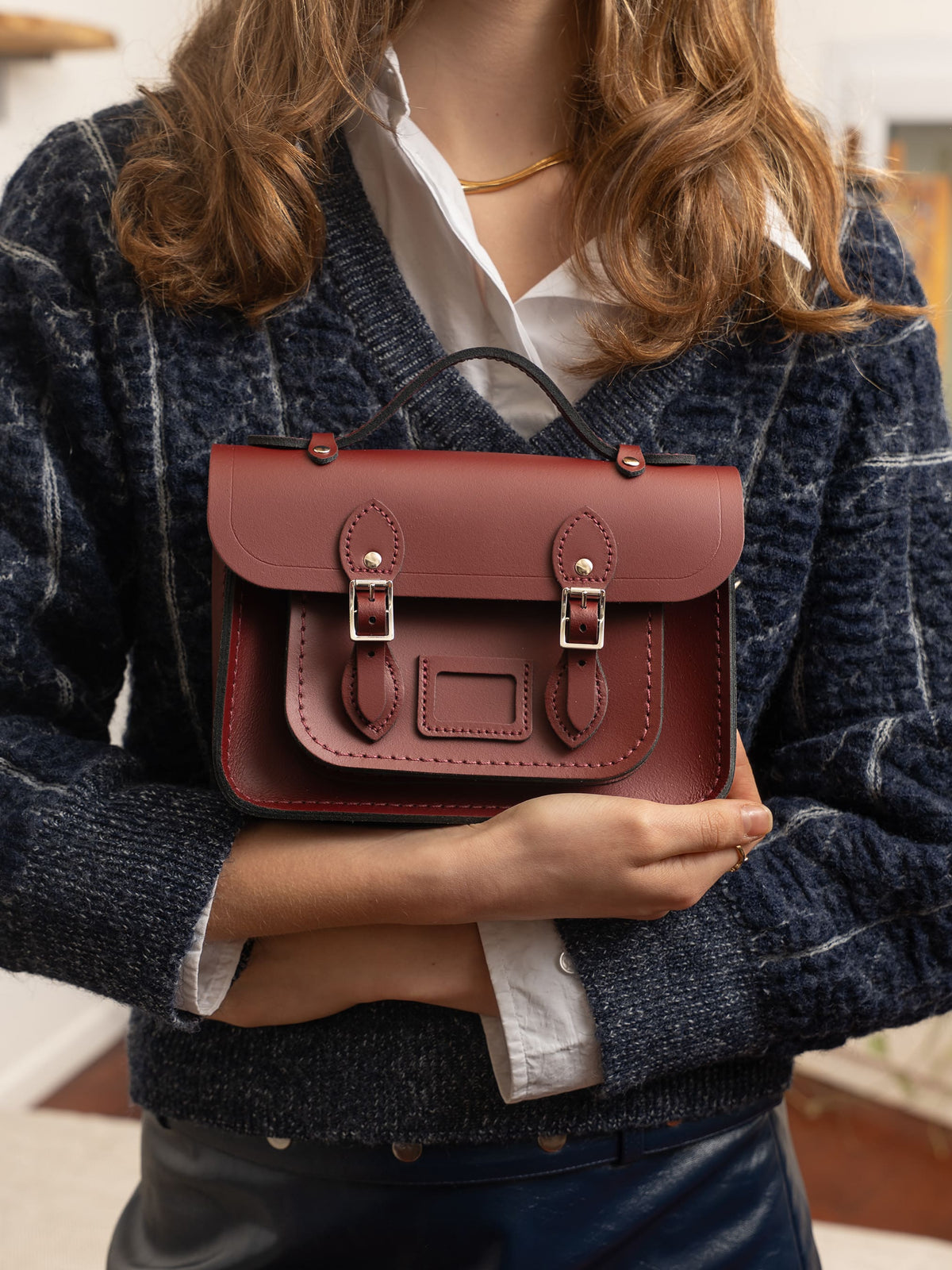
Capacity check
Measure the day before choosing the bag
| Question | What it reveals |
|---|---|
| What is the largest rigid item? | The minimum internal dimensions. |
| How long is it carried? | Whether strap width and weight matter more than capacity. |
| Does it sit on a floor or desk? | Whether a stable base and easy-clean finish are useful. |
| What must be reached in ten seconds? | The need for a front pocket or simple closure. |
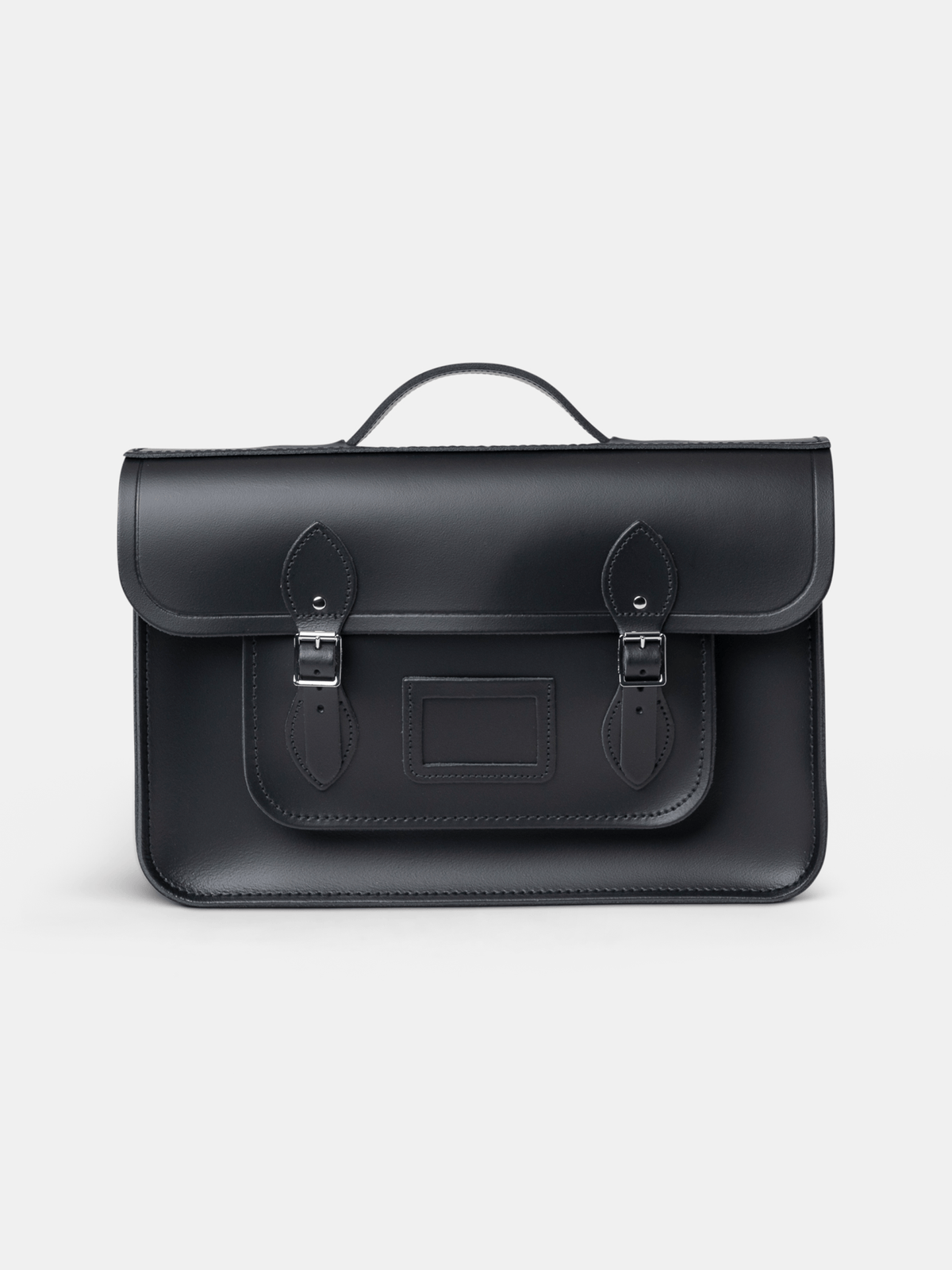
The 15-inch format makes sense for a working day only when its space is actively used. A larger bag that carries mostly air encourages extra packing and places more material on the shoulder. Put the real daily set inside a box, measure the footprint, then choose the closest practical bag rather than the most impressive capacity.