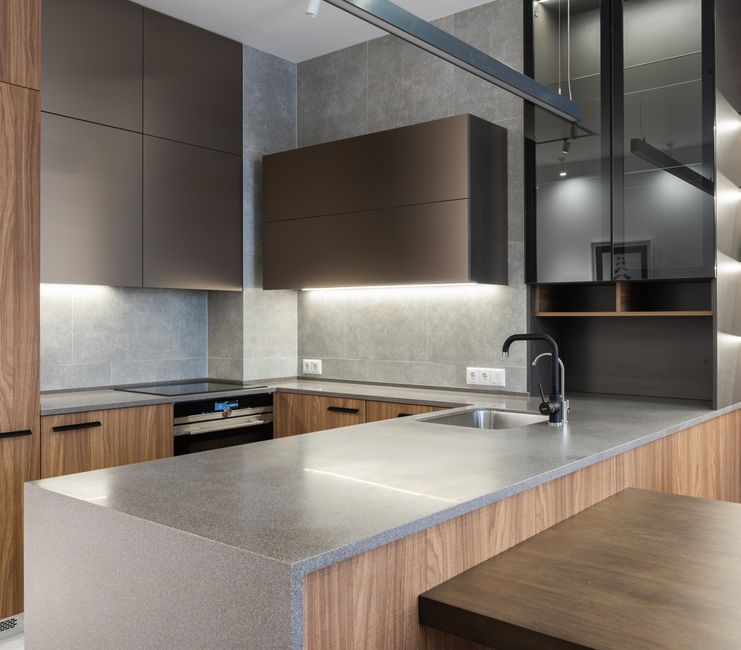
A full kitchen cabinet replacement in 2026 runs between $8,000 and $15,000 for a standard 10-by-12-foot kitchen. Most homeowners don’t have that cash sitting around. And frankly, you don’t need it. You can get the same visual transformation for under $800 by painting, refacing, or swapping hardware. This guide covers the three most effective methods, exact costs, and the mistakes that cost you time and money.
Method 1: Paint Your Existing Cabinet Boxes and Doors
Painting is the cheapest option. It works best if your cabinet boxes are structurally sound and you don’t mind the labor. A full paint job takes about three days of work spread over a week.
What you’ll spend in 2026:
- Primer (1 gallon): $25–$40 (Zinsser B-I-N or Kilz Premium)
- Paint (1 gallon): $45–$70 per gallon (Benjamin Moore Advance or Sherwin-Williams Emerald Urethane Trim Enamel)
- Sandpaper (120, 220 grit): $15
- Painter’s tape and drop cloths: $20
- New brushes and mini rollers: $30
- Total: $135–$175
If your cabinets have a glossy factory finish, you must sand them first. Skip this step and the paint will peel within six months. Use 120-grit sandpaper, then wipe everything down with a tack cloth. Apply one coat of primer, let it dry for four hours, then sand lightly with 220-grit. Apply two coats of paint, waiting 24 hours between coats.
The one mistake that ruins painted cabinets: Not sanding the primer coat. That second layer of paint needs something to grip. If you skip this, you’ll see brush marks and peeling inside a year.
When painting is the wrong choice
Don’t paint cabinets that have deep water damage, warped doors, or particleboard boxes that are delaminating. Paint won’t fix structural failure. In those cases, you need replacement doors or a full reface.
Method 2: Replace Just the Cabinet Doors and Drawer Fronts
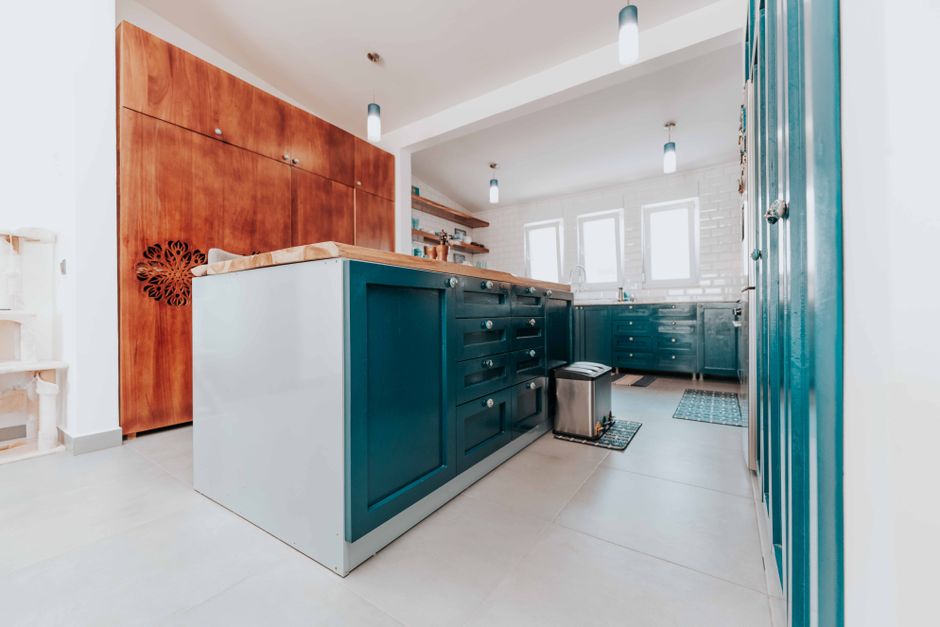
This is the middle-ground option. You keep your existing cabinet boxes, remove the old doors, and order new ones. It costs more than paint but less than a full replacement. And it gives you a completely new look without touching the structure.
Average costs in 2026:
| Door style | Cost per door (standard 18″x30″) | Total for 20 doors + hardware |
|---|---|---|
| MDF shaker (primed) | $25–$35 | $500–$700 |
| Solid wood shaker (unfinished) | $40–$60 | $800–$1,200 |
| Solid wood slab (unfinished) | $35–$50 | $700–$1,000 |
Order from CabinetDoors.com or Barker Door. Measure each door individually — don’t assume they’re all the same size. Even cabinets from the same manufacturer can vary by 1/8 inch. Use a steel tape measure, not a cloth one.
Hardware is separate. New hinges cost $2–$5 each (buy soft-close hinges — they’re worth the extra $1). New knobs or pulls run $3–$8 each. For a 20-door kitchen, budget another $80–$160.
When replacing doors is the wrong choice
If your cabinet boxes are visibly damaged, crooked, or have exposed particleboard edges, new doors won’t fix the problem. You’ll still see the damage around the door openings. In that case, you need refacing or a full replacement.
Method 3: Refacing With New Veneer and Molding
Refacing means covering your existing cabinet boxes with a thin layer of real wood veneer, then adding new doors and drawer fronts. It’s the most expensive DIY option but gives you the closest result to a full replacement.
DIY refacing kit cost (2026): $400–$800 for a standard kitchen. The kit includes veneer sheets, contact adhesive, edge banding, and new doors. Companies like Kitchen Cabinet Kings and The Cabinet Door Store sell refacing kits.
The catch: Refacing requires precision. You have to cut veneer strips to exact widths, align the grain, and press them onto the box without air bubbles. A single misaligned piece ruins the whole face. Most homeowners who try this end up hiring a pro for the veneer part, which adds $1,000–$2,000.
When refacing is the wrong choice: If your kitchen layout is outdated — like a single counter-depth cabinet where you need a deep pantry — refacing locks you into the old configuration. You’re better off replacing in that situation.
Hardware Only: The $100 Refresh That Changes Everything
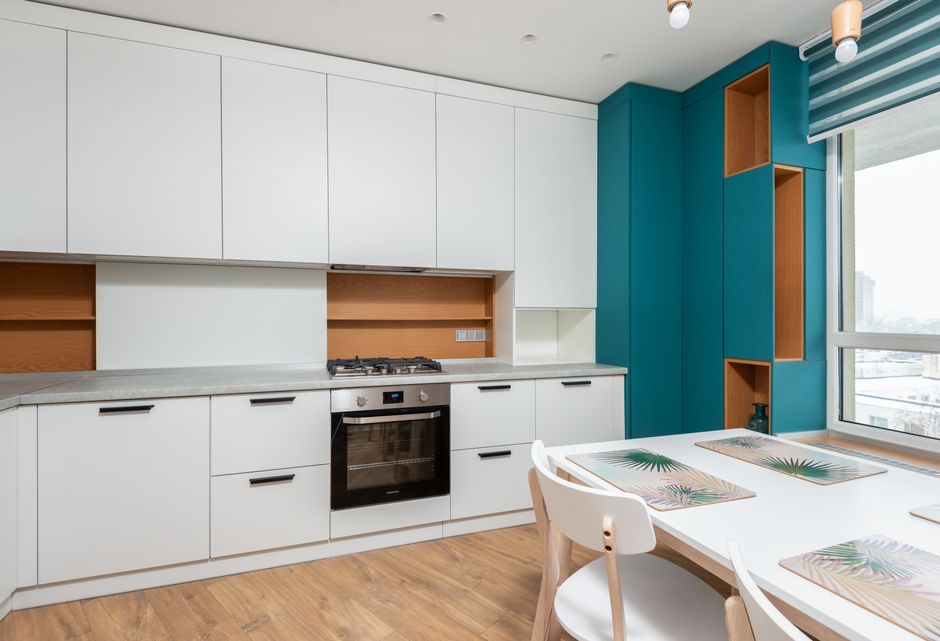
If your cabinets are structurally fine and the color doesn’t bother you, just swap the hardware. This is the fastest, cheapest refresh and it works on any cabinet style.
What to buy:
- New knobs or pulls: $3–$8 each (brushed brass, matte black, or satin nickel are trending in 2026)
- Soft-close hinges: $4–$6 each (replace only the ones that are broken or noisy)
- Total for a 20-door kitchen: $80–$160
Brands to consider: Kwikset makes reliable mid-range pulls. Emtek offers higher-end options with better finishes. Liberty Hardware has budget-friendly sets that look good for the price.
One rule: Match the hinge type to your existing setup. If you have European concealed hinges, buy the same overlay type (full, half, or inset). If you have exposed hinges, measure the mounting hole spacing — it’s usually 1 3/8 inches or 2 5/8 inches.
What Not to Do: Three Common Cabinet Refresh Mistakes
These mistakes cost homeowners hundreds of dollars and weeks of wasted time. Avoid them.
1. Painting over grease without cleaning first. Kitchen cabinets accumulate a thin layer of cooking grease. If you paint over it, the paint won’t bond. Clean every surface with TSP substitute (trisodium phosphate) before sanding. A $10 bottle of Krüd Kutter degreaser works for this.
2. Buying new doors before checking hinge compatibility. Some older cabinets use non-standard hinge sizes. If you order doors with a 35mm hinge bore and your boxes use 32mm hinges, you’ll need to drill new holes or buy adapters. Always measure your current hinge cup diameter before ordering.
3. Refacing without removing the old finish. Veneer won’t stick to glossy laminate. You must sand the surface until it’s dull, clean it, and apply a bonding primer before the veneer. Skip this and the veneer will bubble and peel within three months.
Cost Comparison: Which Method Should You Choose?
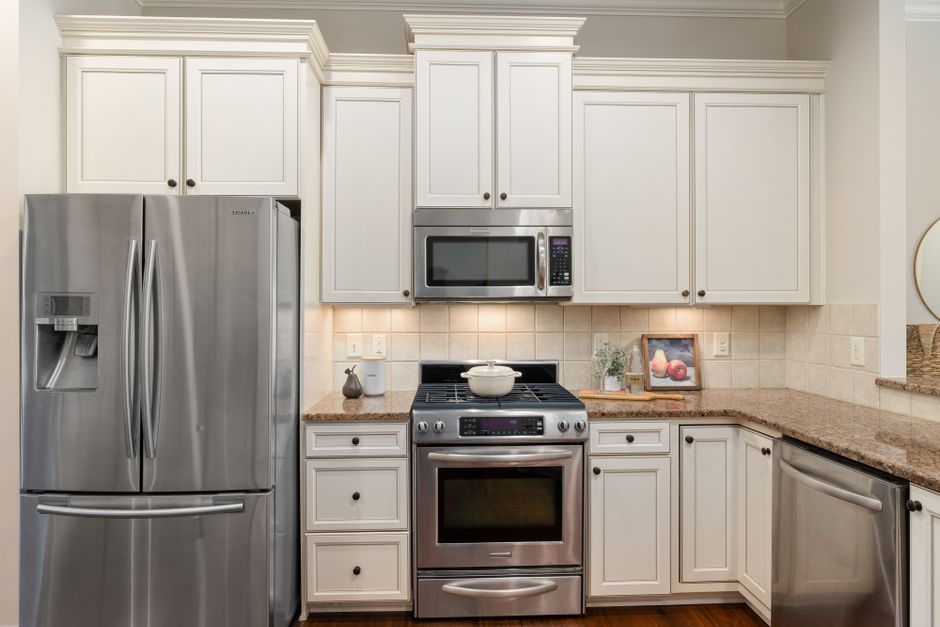
Here’s the bottom line based on your specific situation.
| Your situation | Best method | Estimated cost (2026) | Time required |
|---|---|---|---|
| Cabinets are structurally sound but outdated color | Paint | $135–$175 | 3 days (spread over 1 week) |
| Cabinets are fine but doors are dated or damaged | Replace doors | $500–$1,200 | 1–2 weeks (order time + install) |
| Cabinet boxes are worn but you want a wood finish | Reface | $400–$800 (DIY) or $1,500–$3,000 (pro) | 1–2 weeks (DIY) or 3–5 days (pro) |
| Cabinets look fine, just want a modern feel | Hardware swap | $80–$160 | 1–2 hours |
| Cabinet boxes are damaged, warped, or delaminating | Full replacement | $8,000–$15,000 | 1–3 weeks |
For most homeowners, the smartest move in 2026 is to paint the existing cabinets and swap the hardware. That combination costs under $300 and changes the entire look of the kitchen. If you want a different door style, replace the doors instead. Save refacing for when you’re committed to a wood grain finish and your boxes are in good shape. And if the boxes themselves are failing, don’t waste money on any of these — save for the full replacement.