

Still have a thick winter throw draped over the sofa in May? Remove it. The fastest spring refresh is a textile swap: replace dense wool, chunky cable knit, and fleece with cotton muslin, linen, gauze, or a thin quilt. The room will look lighter, feel less crowded, and stay useful on cool evenings.
Why heavy throws make a room feel wrong in May
Heavy throws do more than keep you warm. They add visual weight, absorb light, and create large blocks of texture across sofas, chairs, and beds. That worked in January. By May, the same blanket can make a bright room look sleepy and over-layered.
Texture changes the room before color does
Most people begin a seasonal refresh by changing cushions or buying new accessories. That is backwards. A throw covers a large area, so its surface has more effect than a small vase or candle. A thick bouclé blanket creates shadows and a soft, bulky outline. A flat cotton or open-weave linen throw catches light and leaves more of the sofa visible. That visual gap matters. It makes the room feel less packed without forcing you to replace the furniture.
Spring texture should also have some irregularity. Perfectly smooth polyester can look cheap because it reflects light evenly and holds a stiff shape. Crinkled cotton, washed linen, and gauze look relaxed because their folds are not identical. Choose texture with movement, not thickness.
Warmth and visual weight are different problems
A lightweight throw can still provide useful warmth. The difference is how much material it uses and how tightly it is woven. A thin cotton blanket warms your lap while leaving the sofa uncovered. A heavy wool throw warms the whole visual field even when nobody is using it. That is why the May swap should focus on both physical weight and surface density.
The first principle is simple: keep one warm layer available for actual cold evenings, but let the everyday display layer become thinner, airier, and easier to fold. You are not removing comfort. You are removing winter bulk.
The fastest May throw swap takes one afternoon
Start with a ruthless edit
Pull every throw from the living room and bedroom. Keep one genuinely warm blanket per seating area, wash the rest, and store anything that looks visibly bulky, pilled, or too dark for the room. Then add back only the pieces that serve a clear job: one lap throw for the sofa, one decorative layer for a chair, and one light bed layer for cool nights.
Use the three-part replacement rule
Replace each heavy throw with a textile that is smaller in visual impact, lighter in hand, and easier to wash. A 59-by-79-inch cotton muslin throw is enough for a sofa or tall reader. A 50-by-70-inch linen throw suits an armchair. A 90-by-90-inch lightweight quilt works on a bed without looking like a winter duvet. This rule stops the common mistake of buying another oversized blanket simply because the old one felt too large to style.
Finish by folding the new throw into thirds and placing it over one arm or the lower corner of the sofa. Do not spread it across the entire seat. Let the upholstery show. That single change creates more spring impact than adding three decorative objects.
How to choose a lighter texture without making the room look flat

Use this five-step test before buying anything. It prevents the two most common May mistakes: choosing fabric that looks cool but feels flimsy, or choosing a lightweight blanket that still reads as winter bedding.
- Check the fiber. Choose cotton, linen, cotton gauze, or a cotton-linen blend for the main spring layer. Wool remains useful for cold homes, but it should move to storage or a secondary basket.
- Check the weave. Look for muslin, gauze, waffle, seersucker, or a relaxed plain weave. These surfaces add interest without the bulk of cable knit or sherpa fleece.
- Check the size. Pick 50 by 70 inches for a chair, 60 by 80 inches for a sofa, and 90 by 90 inches or larger for a bed. Oversized throws look messy when the fabric is thin because the edges pool on the floor.
- Check the care label. A spring throw needs frequent washing after outdoor use, pets, and open windows. Machine-washable cotton beats delicate dry-clean-only linen for a busy family room.
- Check the daylight test. Hold the fabric near a window. If the weave looks completely opaque and dense, it may still feel like winter. If it has a little lightness but does not look see-through, it has the right balance.
Do not buy a throw only because the color matches your cushions. Color is the easy part. A cream blanket in heavy polyester still looks heavy. A muted clay or olive blanket in airy cotton will look seasonal because the surface lets light move across it.
Which lightweight throw materials deserve your money?
The best material for most May rooms is cotton muslin. It is soft, washable, inexpensive, and relaxed enough for a casual sofa. Linen wins for a sharper, more textured room, while gauze works when you want the least visual weight. Prices vary by retailer and country, so treat the figures below as useful US reference points rather than fixed promises.
My clear winner for most living rooms
Choose the IKEA VALLKRASSING if you want the biggest visual change for the least money. Its cotton muslin construction feels soft and airy, the 59-by-79-inch size works on a standard sofa, and the price leaves room in the budget for a second color. Expect some shrinkage after washing, so follow the care label and avoid buying it if you need a perfectly precise finished size.
When a premium throw is actually justified
Buy the Parachute Cloud Linen Gauze Throw when the room already has good furniture and needs a refined texture rather than extra warmth. Buy the Brooklinen Lightweight Cotton Quilt for a bed or guest room, where a larger surface needs more structure. Keep the Pendleton Eco-Wise Wool Blanket for a drafty house, mountain cabin, or air-conditioned room. It is not the right May display layer for a warm apartment. The texture is attractive, but the dense wool still carries winter weight.
May throw questions, answered without the shopping fog

Should I choose linen or cotton for a sofa?
Choose cotton for softness, washing, and value. Choose linen for stronger texture and a more tailored look. Cotton muslin is the better everyday choice for homes with children, pets, or frequent spills. Linen looks more expensive, but it creases quickly and can feel rough before several washes. For a small seating area, a cotton-linen blend gives the best balance.
Can a neutral throw still make the room feel refreshed?
Yes, but the weave must change. Replacing a brown fleece throw with another beige fleece throw will not refresh the room. Replace dense fleece with ivory gauze, warm white muslin, pale sage cotton, or flax linen. The lighter surface creates the change. Color only supports it.
What mistakes make a spring throw look cheap?
Thin shiny polyester is the main offender. It clings to furniture, reflects harshly, and often develops static. Extremely loose open weaves also fail when the ends snag on rings, pet claws, or rough upholstery. Avoid fringe that sheds heavily and oversized blankets that drag on the floor. A simple 60-by-80-inch throw with clean edges will look better than a huge decorative blanket that cannot sit neatly.
When should I skip the lighter texture trend?
Skip it when the room is cold, damp, or poorly insulated and the throw serves a real warming job. Keep one wool or quilted layer nearby, but do not leave every winter blanket on display. Also skip linen if you want a crisp, wrinkle-free surface. Linen is supposed to crease. If that bothers you, buy cotton percale or a smooth cotton quilt instead.
The best May refresh is one warm layer and one light layer
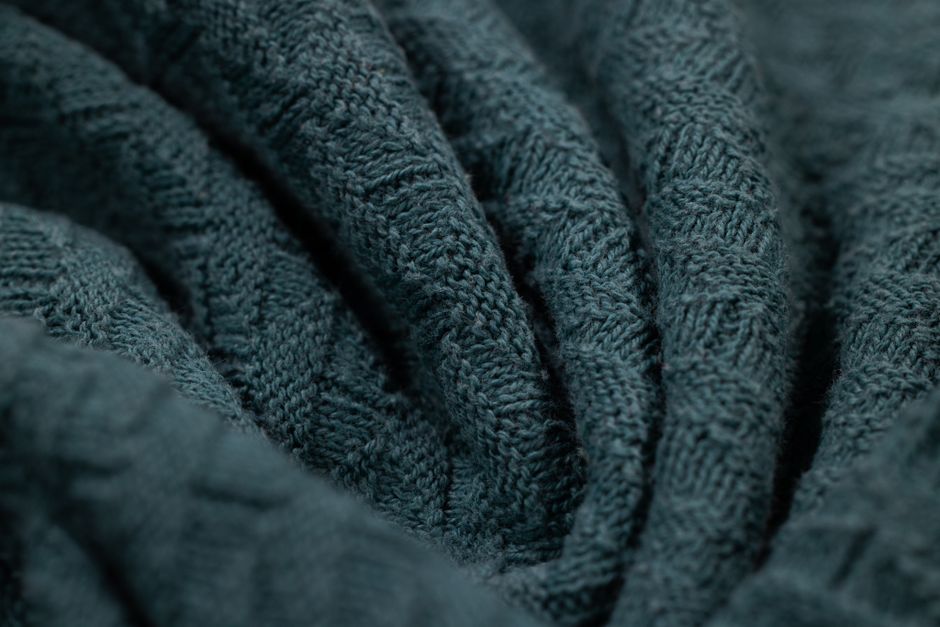
My recommendation is direct: replace the everyday heavy throw with a washable cotton muslin layer, then keep one warmer blanket in a basket for cold nights. The IKEA VALLKRASSING is the best value for a living room. The Parachute Cloud Linen Gauze Throw is the better design choice when texture matters more than budget. The Brooklinen Lightweight Cotton Quilt is the right move for a bed, not a sofa. The Pendleton Eco-Wise Wool Blanket stays in the cold-room category.
Avoid the false economy of buying the wrong texture
A cheap throw is not a bargain if it pills after two washes, sheds onto dark clothing, or looks limp on the furniture. Check the fiber, measure the surface, and read the care instructions before paying. Buy one piece first if you are unsure. Live with it for a week. If it slides, traps pet hair, or looks too thin in daylight, return it before building the whole room around it.
Your final May setup
Put the lightest throw over the sofa arm, fold the warmer blanket inside a basket, and leave the chair mostly uncovered. Use texture to suggest comfort instead of covering every surface with fabric. That is the whole refresh. The room feels cooler because you changed the visual weight, not because you bought a dozen new decorations.