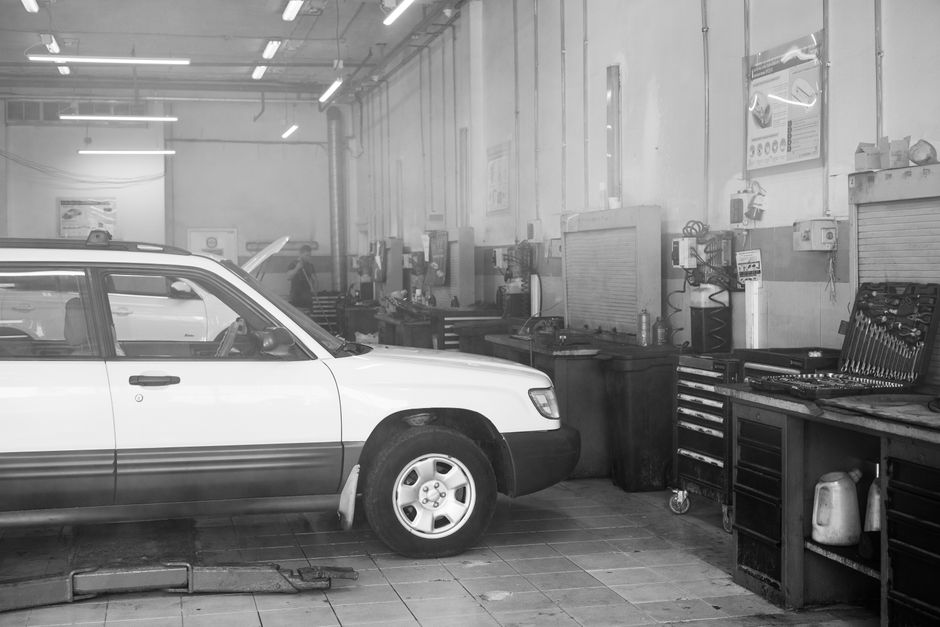
You walk into your garage. The car fits, barely. Bicycles lean against the wall. Boxes of holiday decorations are stacked to the ceiling. You can’t find your socket set. You bought a “heavy-duty” shelving unit from the big-box store six months ago. It’s now bowing under the weight of paint cans. You spent $400 on garage organization equipment last year, and your garage looks worse than when you started.
This is not a storage problem. It’s a buying problem. You purchased equipment designed for a different space, a different load, or a different person. The good news: the right equipment exists. You just need to stop buying the wrong stuff.
Why Most Garage Storage Systems Fail Within a Year
The garage is the most punishing room in your house. Temperature swings from 10°F to 110°F. Humidity from a wet car. Dust from DIY projects. Weight loads that would crush a bookshelf.
Most people buy garage organization equipment designed for a climate-controlled closet. That plastic shelving unit with wire shelves? It’s rated for 50 pounds per shelf. Your storage bins of Christmas decorations weigh 40 pounds each. Stack two bins on one shelf and you’re over the limit. The shelf bows, then snaps.
Here’s what actually fails first:
- Wire shelving — clips rust, shelves sag under uneven loads
- Plastic modular systems — connectors crack in cold temperatures
- Cheap pegboard — warps with humidity, hooks fall out
- Particleboard cabinets — edges swell from moisture, doors won’t close
The fix is not “better organization.” The fix is buying equipment engineered for garage conditions. That means steel, aluminum, or high-density polyethylene. Not MDF. Not wire. Not thin plastic.
The Real Cost Difference: Cheap vs. Durable Garage Equipment
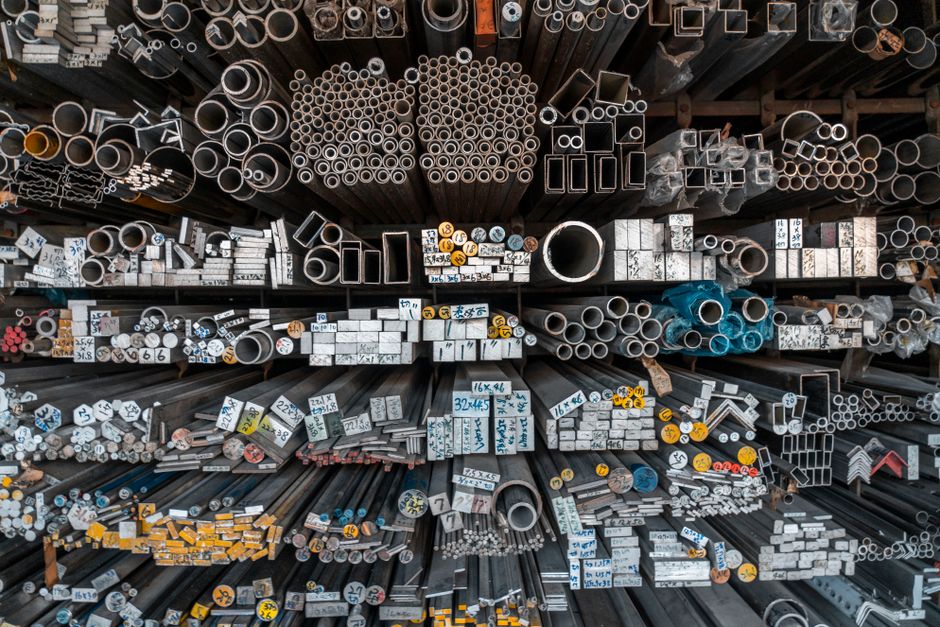
Let’s compare three common garage organization purchases. Prices are from 2026 retail data. Your local market may vary by 10–15%.
| Equipment Type | Cheap Option (Fails in 1–2 years) | Durable Option (Lasts 10+ years) | Price Difference | Cost Per Year of Use (Durable) |
|---|---|---|---|---|
| Freestanding shelving unit (4-shelf, 48″ wide) | Edsal Muscle Rack ($89) — 800 lb total capacity | Gladiator Premium Steel Shelving ($249) — 2,000 lb total capacity | +$160 | $24.90/yr |
| Wall-mounted tool storage (4′ x 4′ panel) | Rubbermaid FastTrack rail system ($55) — hooks not included | Wall Control steel pegboard panel ($119) — includes hooks, 30 lb/sq ft | +$64 | $11.90/yr |
| Overhead storage rack (4′ x 8′) | HyLoft steel rack ($99) — 250 lb capacity | SafeRacks Pro Series ($229) — 600 lb capacity, reinforced crossbars | +$130 | $22.90/yr |
The cheap option costs less today. But if you replace it twice in 10 years, you’ve spent more. The durable option costs $22–$25 per year of use. That’s less than a pizza delivery every month for a garage that actually works.
Three Equipment Categories You’re Probably Overlooking
Most garage organization advice focuses on shelves and cabinets. Those matter. But three less obvious categories solve the biggest pain points.
Wall Control Systems (Not Pegboard)
Standard pegboard hooks fall out when you grab a tool. Wall Control uses a steel slotted panel with locking hook inserts. You push the hook in, turn it 90 degrees, and it locks. Tools stay put until you deliberately remove them. The Wall Control 16″ x 32″ starter panel costs $49 and holds 30 pounds per square foot. A comparable pegboard from the hardware store? $22, but the hooks pull out with any sideways motion.
Verdict: For $27 more, you get a system that doesn’t drop your hammer on your foot. Buy Wall Control or a similar locking slatwall system (ProSlat, GarageTek). Skip pegboard entirely.
Heavy-Duty Ceiling-Mounted Racks
Overhead storage is the most underused space in a garage. The SafeRacks Pro Series mounts directly to ceiling joists with 6 bolts per side. Capacity is 600 pounds. You can store kayaks, lumber, ladders, and bins of seasonal gear. The key spec: look for racks with reinforced crossbars (not just wire) and a minimum 500-lb capacity.
Verdict: If your garage ceiling is drywalled and you have access to joists, install overhead racks first. They free up 40–60 square feet of floor space immediately.
Modular Tool Chests with Ball-Bearing Slides
A tool chest isn’t just for mechanics. The Husky 56″ mobile workbench with drawers ($598 at Home Depot) holds 3,000 pounds total. Drawers have full-extension ball-bearing slides rated for 100 pounds each. Compare that to a $200 plastic tool tower where drawers stick after six months and the plastic cracks at the corners.
Verdict: Ball-bearing slides are non-negotiable. If the product page doesn’t say “full-extension ball-bearing slides,” don’t buy it. The Husky, US General (Harbor Freight), and Milwaukee Packout stack systems all meet this spec.
When NOT to Buy Garage Organization Equipment (Do This Instead)
This is the section most articles skip. Sometimes the best purchase is no purchase.
Situation 1: Your garage floor is uneven. Freestanding shelves wobble. Cabinets won’t align. Solution: buy adjustable leveling feet (about $15 for a set of 4) and add them to any shelving unit. Or install wall-mounted cabinets that don’t touch the floor. Do not buy expensive rolling tool chests if the floor slopes more than 1/4 inch over 10 feet.
Situation 2: You have less than 8 feet of wall space. Most garage storage systems assume you have a long wall. If your garage is a single-car width (12 feet) and you need to park a car, you have maybe 4 feet of usable wall. Solution: ceiling racks and a single tall cabinet (like the Gladiator 72″ tall cabinet, $449 at Lowe’s). Do not buy a multi-unit modular system you can’t fit.
Situation 3: You’re renting. Drilling into walls or ceiling joists means losing your security deposit. Solution: freestanding shelving (Edsal Muscle Rack, $89) and a rolling tool cart (Husky 46″ workbench, $298). No holes. No deposits lost. Do not buy wall-mounted systems you can’t take with you.
Situation 4: You don’t actually use your garage for work or storage. If your garage is primarily for parking two cars and you store nothing, you don’t need equipment. You need a declutter session. Don’t buy anything until you’ve removed everything that doesn’t belong in a garage.
How to Read a Product Spec Sheet Like an Insurance Adjuster
Manufacturers lie with numbers. Here’s how to decode what they’re actually saying.
“Weight capacity” — This is almost always the total unit capacity, not per-shelf. A 4-shelf unit rated 800 pounds total means 200 pounds per shelf. But that’s under ideal conditions: evenly distributed load, no vibration. Real-world safe limit is 60% of that. So 120 pounds per shelf. Your storage bin of books? 40 pounds. Fine. But three bins of tools? 150 pounds. Over the safe limit.
“Heavy-duty” — This word is meaningless. Look for specific gauge numbers. 20-gauge steel is thin. 16-gauge steel is good. 14-gauge steel is commercial grade. The Gladiator Premier series uses 14-gauge steel. The Edsal Muscle Rack uses 20-gauge steel with plastic connectors. Both say “heavy-duty” on the box. One will hold a refrigerator. The other will fold.
“Easy assembly” — Code for “no instructions, parts don’t fit, you’ll swear.” The Rubbermaid FastTrack system claims 30-minute assembly. It took me 90 minutes because the rails didn’t align with the studs. The Wall Control system took 20 minutes with a stud finder and a drill. Ignore assembly claims. Focus on whether the system uses standard stud spacing (16 inches on center). If it doesn’t, you’ll need to add blocking.
“Lifetime warranty” — Read the fine print. Many warranties cover only the original buyer. Some cover only manufacturing defects, not bending from overloading. Gladiator and SafeRacks have transferable warranties. Husky’s warranty covers the original owner only. If you sell your house, the new owner gets nothing.
Budget Allocation: Where to Spend $500 vs. $1,500

Most people spend money in the wrong order. They buy a fancy cabinet first, then run out of budget for shelving. Here’s the correct priority.
Budget: $500
- One SafeRacks Pro Series overhead rack ($229) — frees up floor space
- Two Wall Control 32″ x 32″ steel panels with hooks ($198 total) — tools off the floor
- One Edsal Muscle Rack 4-shelf unit ($89) — for bins and boxes
- Total: $516
This setup gets you 80% of the way to an organized garage. The Edsal shelf will need replacement in 3–5 years. The overhead rack and wall panels will last 15+ years.
Budget: $1,500
- Two SafeRacks Pro Series overhead racks ($458) — double the overhead space
- Three Wall Control 32″ x 32″ panels with hooks ($297) — full wall coverage
- One Gladiator Premium Steel shelving unit 4-shelf ($249) — replaces the Edsal
- One Husky 56″ mobile workbench with drawers ($598) — work surface and tool storage
- Total: $1,602
This is a 10-year setup. The Gladiator shelf holds 2,000 pounds. The Husky workbench has 3,000-pound capacity. You will not outgrow this.
Budget: $3,000+
- Full Gladiator or NewAge Pro Series modular cabinet system (wall cabinets + base cabinets + work surface) — $2,000–$3,500 depending on configuration
- Two SafeRacks Pro Series overhead racks — $458
- Wall Control panels for remaining wall space — $300
- Total: $2,758–$4,258
At this level, you’re building a professional-grade workshop. The cabinets have soft-close doors, epoxy-coated steel, and integrated power strips. This is for people who spend 10+ hours per week in their garage.
The One Tool That Fixes Most Garage Equipment Mistakes
You bought the wrong shelving. The cabinets don’t fit. The hooks won’t stay. Before you return everything, buy one thing: a stud finder with AC wire detection. The Franklin Sensors ProSensor 710 costs $48 on Amazon. It detects studs, live wires, and metal pipes behind drywall.
Here’s why this matters. Most garage equipment failures come from improper mounting. You hung a 200-pound cabinet on drywall anchors. You mounted a ceiling rack to a single joist instead of two. You drilled into a live wire and created a fire hazard.
A good stud finder prevents all of these. Mark every stud. Verify no wires are behind your mounting points. Use 3-inch lag bolts into studs, not drywall anchors. The ProSensor 710 has a depth-sensing mode that tells you how deep the stud is. That matters when you’re drilling into a ceiling with 1/2-inch drywall over 2×6 joists.
Verdict: Spend $48 on a stud finder before you spend $500 on equipment. It will save you more money than any shelving system.
You walked into your garage frustrated. You walked out with a plan. The equipment you choose matters less than the rules you follow: buy for garage conditions, not closet conditions. Read the fine print on weight ratings. Prioritize ceiling space. Skip anything that doesn’t lock or bolt into studs. Your garage will never look like a magazine spread. But it will work. Your socket set will be exactly where you left it. The car will fit. And you won’t spend another dollar on equipment that fails.